Category: How to

  • How to Clean Wolf Oven Racks? (5 Easiest Ways)

    lean Wolf Oven Racks for Pristine Performance

    Cleaning Wolf oven racks is essential to maintaining the pristine condition and optimal performance of these high-quality appliances. Over time, oven racks accumulate grease, grime, and food residue, which can affect the oven’s efficiency and the taste of your culinary creations.

    Whether you’re a passionate home cook or a professional chef, understanding the proper techniques for cleaning Wolf oven racks is crucial. By employing the right methods and using the appropriate cleaning agents, you can ensure that your Wolf oven racks remain spotless, hygienic, and ready to assist you in creating delectable dishes.

    In this article, we will explore the step-by-step process and provide valuable tips to help you master the art of cleaning Wolf oven racks effectively.

    5 Easy Peasy Ways to Clean Wolf Oven Racks

    1: Soaking Method

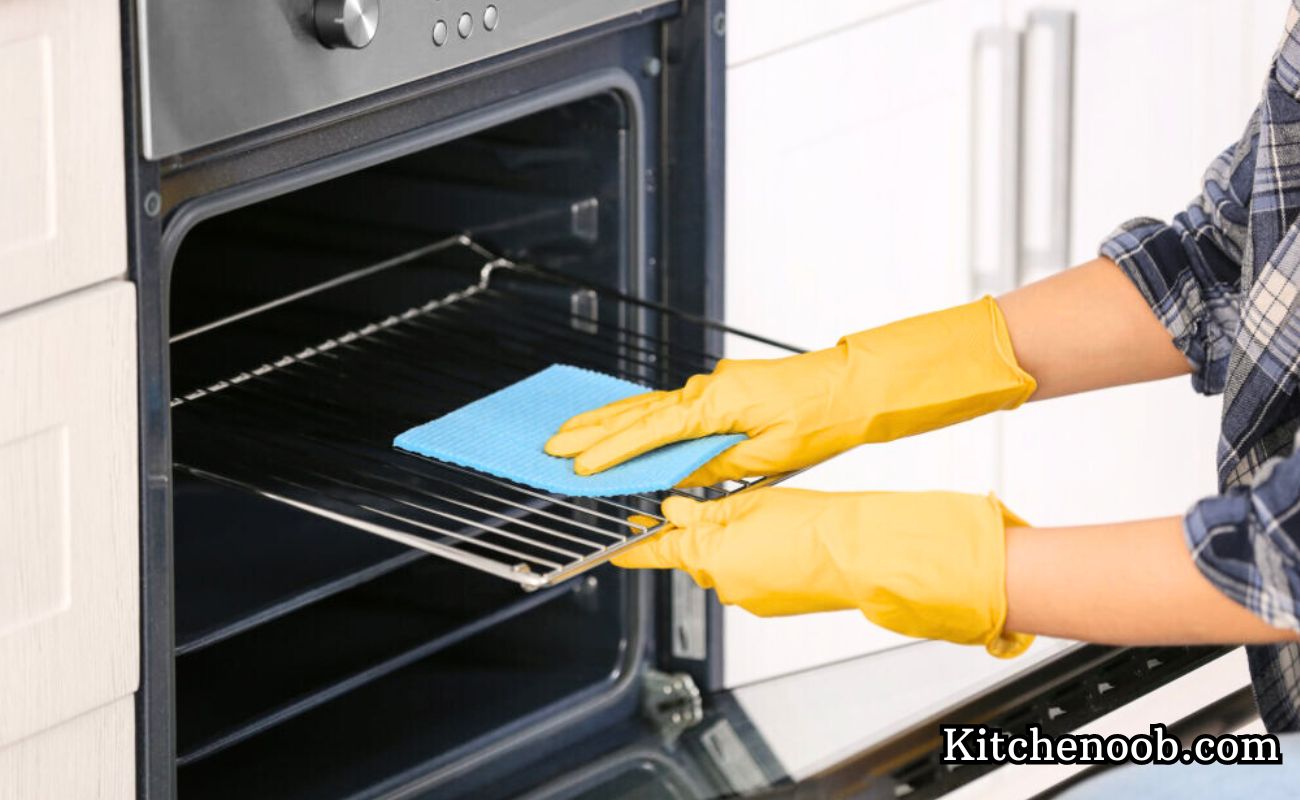
    On the top of our list for cleaning over racks, here comes a socking method that you can try easily in your home. Follow the steps below.

    • Remove the oven racks from the Wolf oven.
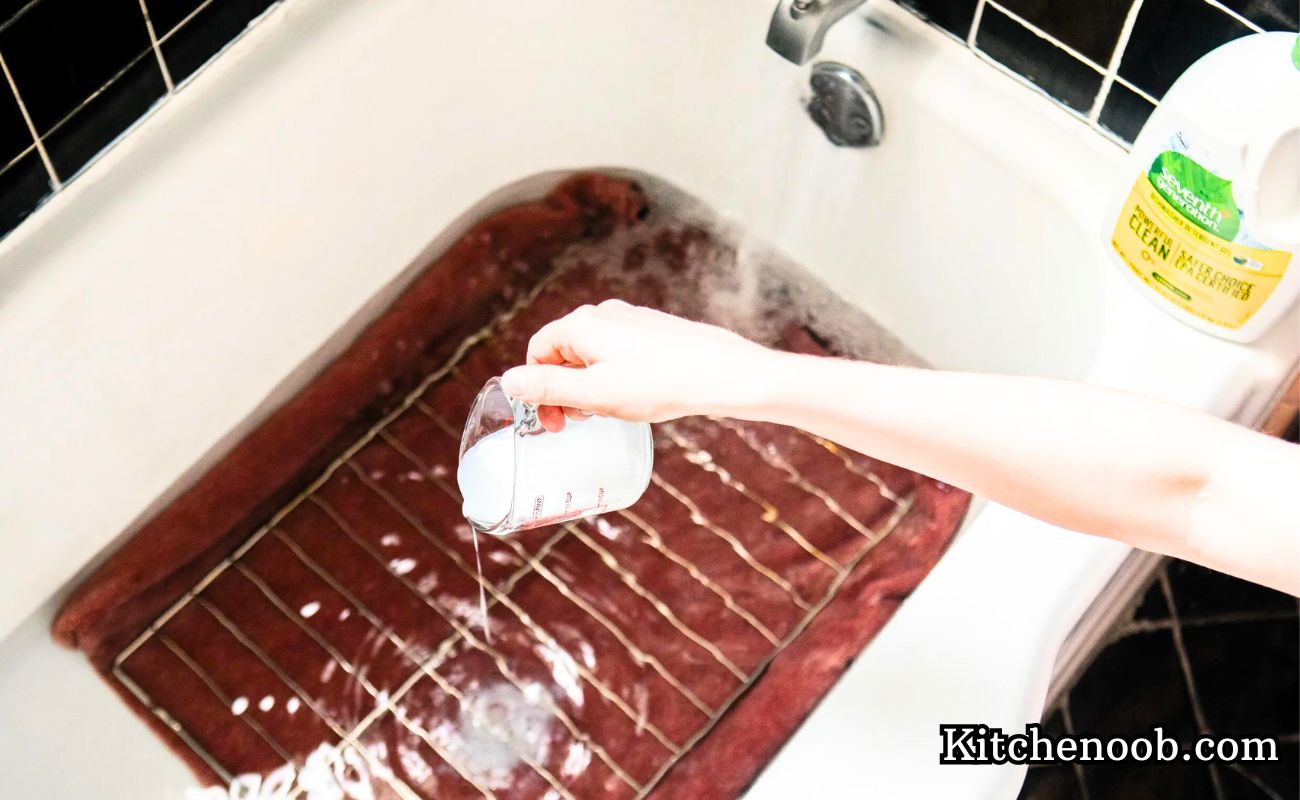
    • Please place them in a bathtub or large plastic bags.
    • Fill the tub or bags with hot water.
    • Add a generous amount of dishwashing liquid or an oven-safe cleaning solution.
    • Put the racks soak for a few hours.
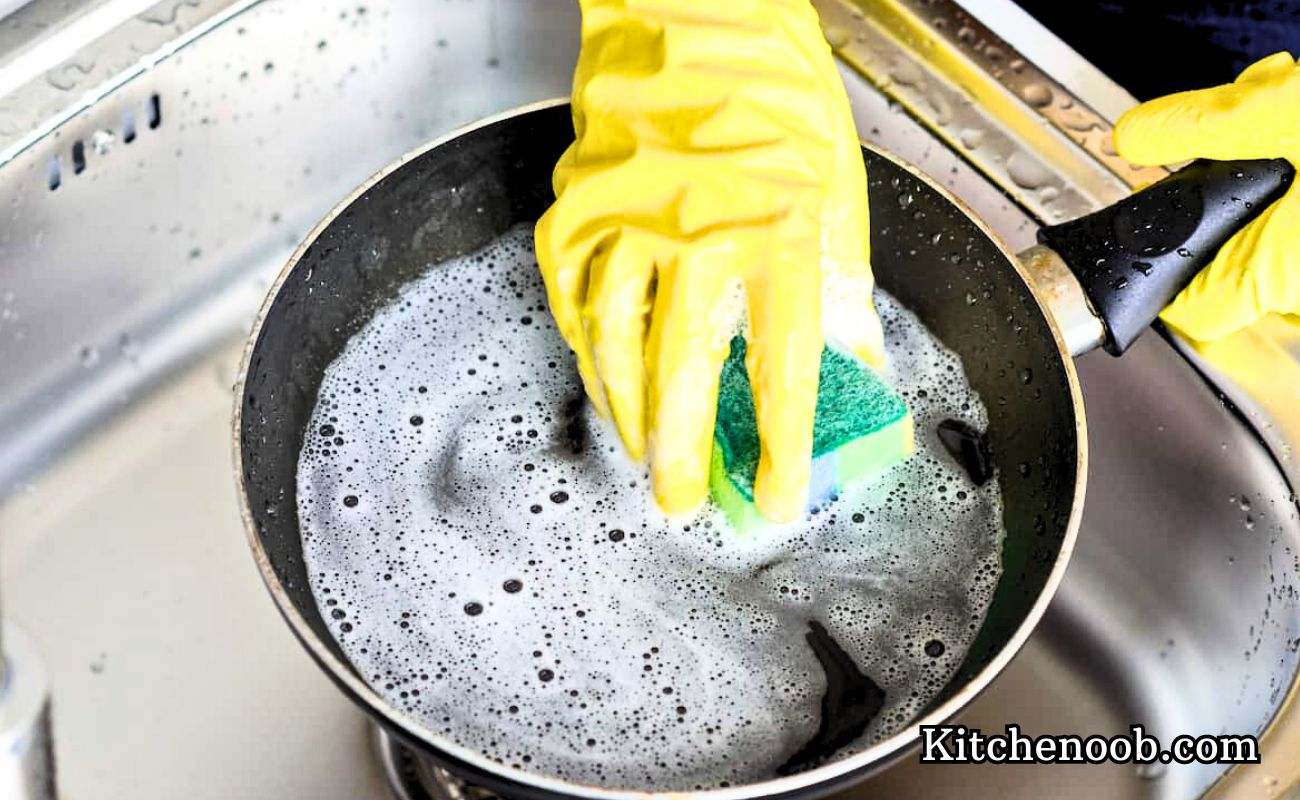
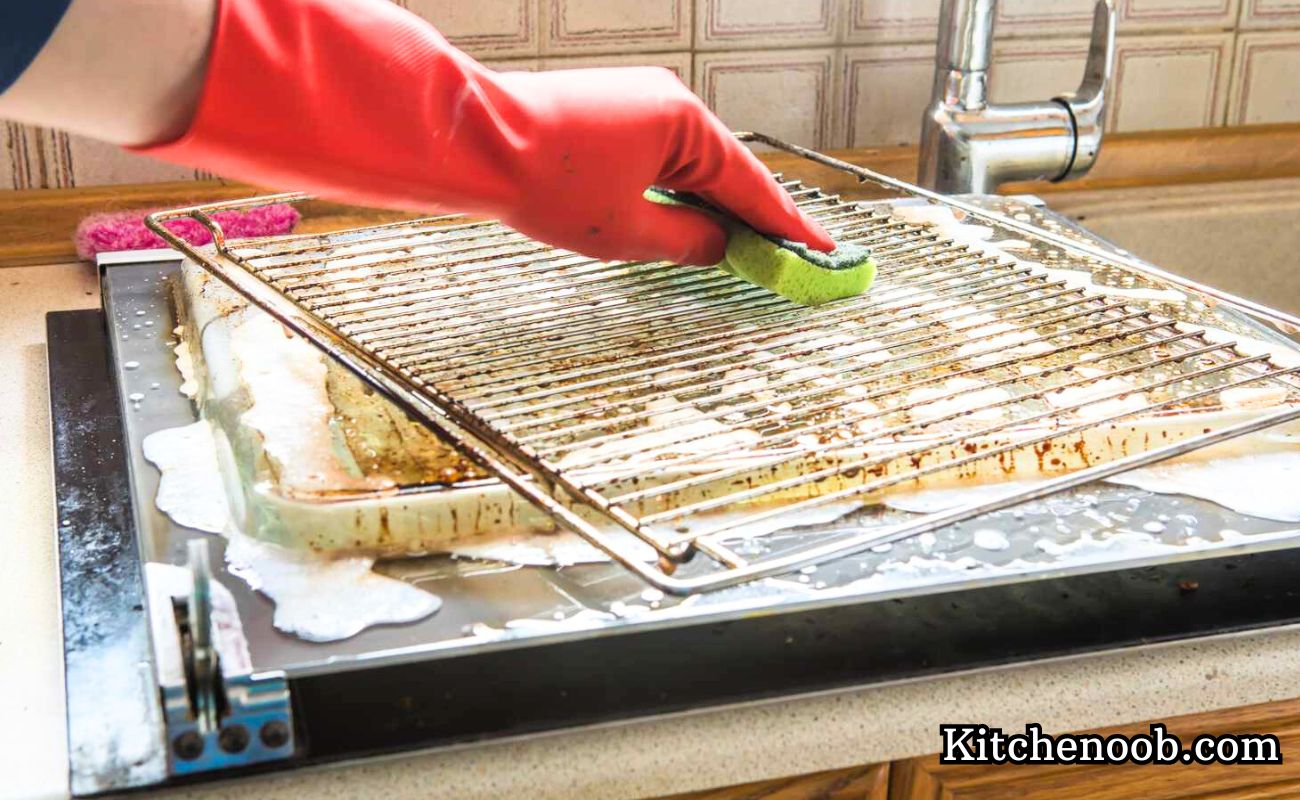
    • Scrub the racks using a soft sponge or non-abrasive scrub brush.
    • Rinse them thoroughly with hot water and dry them before reinserting them into the oven.

    2: Baking Soda Paste

    At the second point of our list for cleaning over racks, here comes a baking soda paste method that you can use easily in your home. Follow the steps below.

    • Make a paste by mixing baking soda and water to form a thick consistency.
    • Apply the paste to the oven racks, focusing on stained or greasy areas.
    • Let it sit for 30 minutes, allowing the baking soda to break down the grime.
    • Scrub the racks using a soft sponge or brush.
    • Rinse the rack with hot water to remove residue.

    3: Vinegar Solution

    Here comes the third point of our list for cleaning oven racks, here comes a vinegar solution method that you can use easily in your home. Follow the steps below.

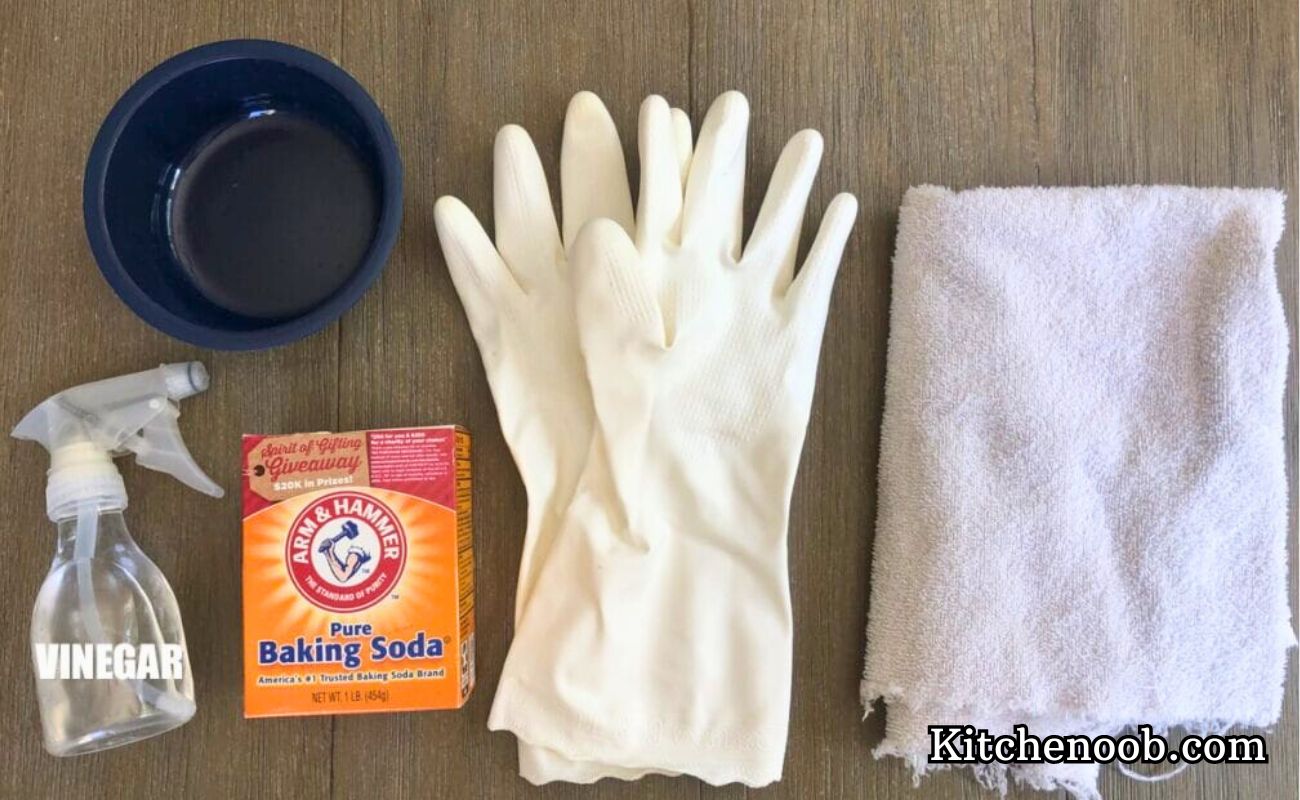
    • Fill a spray bottle with white vinegar.
    • Spray the vinegar generously on the oven racks.
    • Allow it to sit for a few minutes to loosen the dirt and grease.
    • Scrub the racks using a soft sponge or brush.
    • Rinse thoroughly with hot water to remove the vinegar smell.

    4: Dishwasher Method

    At the fourth point of our list for cleaning oven racks, here comes a dishwasher method that you can apply at your home. Follow the steps below.

    • Check if your Wolf oven racks are dishwasher safe.
    • Place the racks in the dishwasher, ensuring they are not overcrowded.
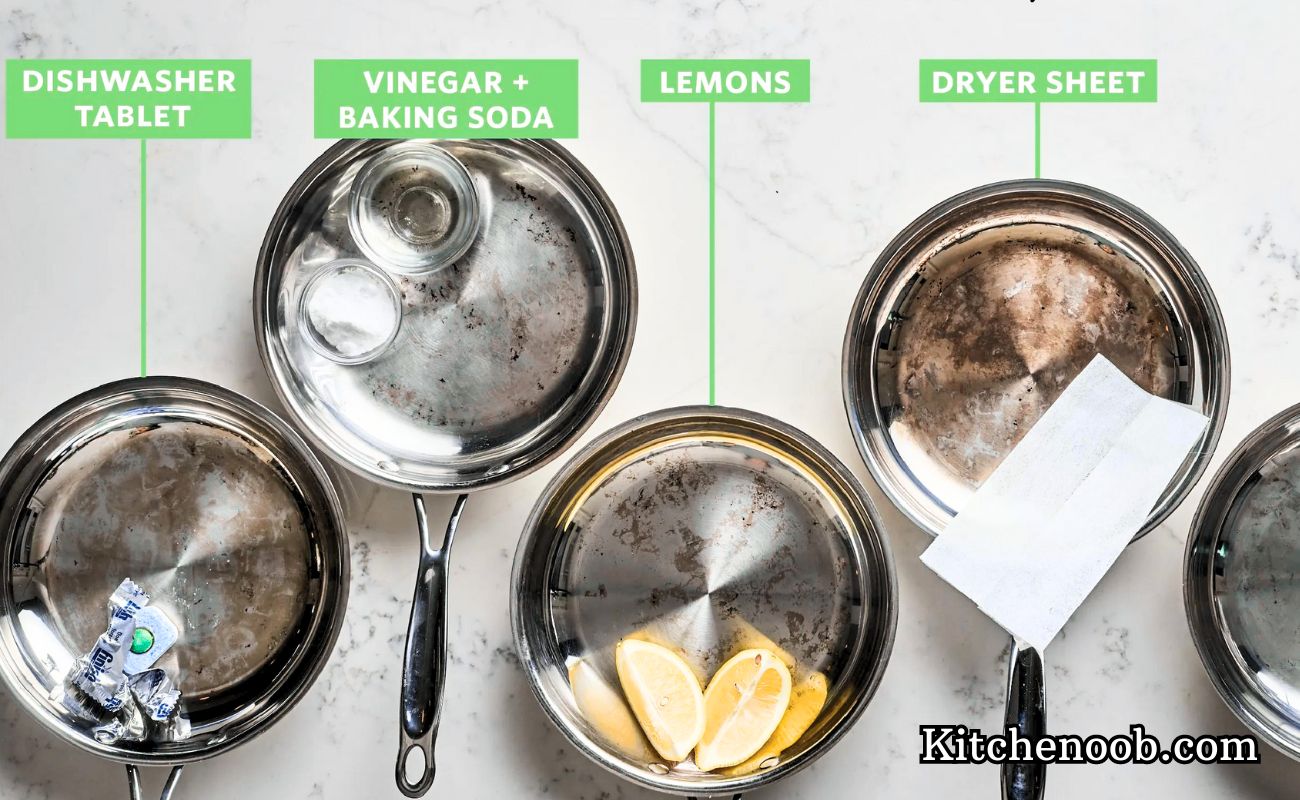
    • Add a dishwasher tablet or a cup of dishwasher detergent.
    • Run a regular cycle with hot water.
    • Once the cycle is complete, remove the racks and inspect for any remaining residue.
    • If necessary, use a soft sponge or brush to scrub off stubborn stains before rinsing with water.

    5: Ammonia and Plastic Bag Method

    The last point of our list for cleaning oven racks is the ammonia and plastic bag method that you can apply at your home. Follow the steps below.

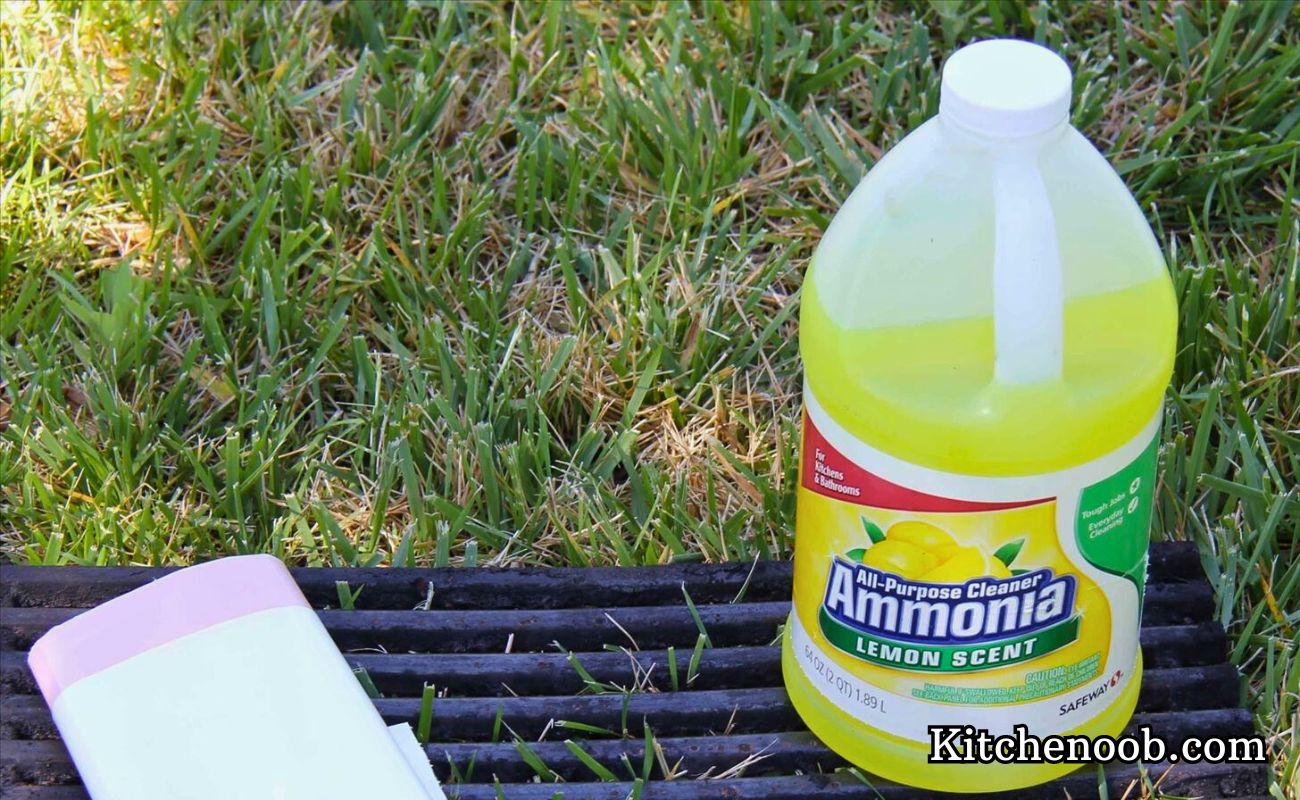
    • Place the oven racks in a large garbage bag.
    • Add 1/2 cup of ammonia to the bag, ensuring it is properly sealed.
    • Allow the bag to sit overnight or in a well-ventilated area for several hours.
    • Open the bag outside or in a well-ventilated space due to the strong ammonia fumes.
    • Remove the racks from the bag and scrub them using a soft sponge or brush.
    • Rinse the racks thoroughly with hot water before drying and reinstalling.

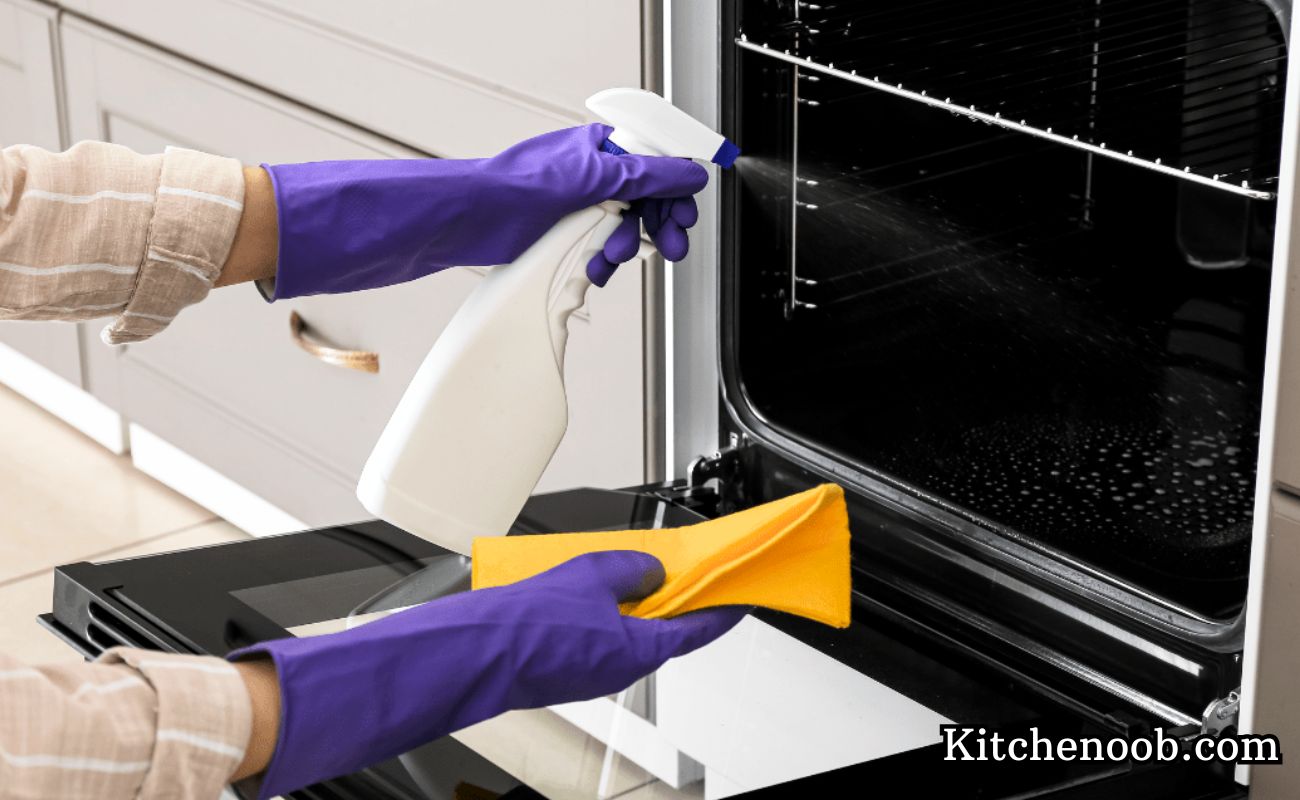
    Remember to wear rubber gloves, work in a well-ventilated area, and follow safety precautions when using cleaning agents. Using these five cleaning methods, you can restore your Wolf oven racks to their original pristine condition and enjoy optimal cooking performance.

    Wrapping Up

    Cleaning Wolf oven racks is a vital task that ensures the longevity and efficiency of your prized appliance.

    By utilizing the five effective cleaning methods outlined in this article – the soaking method, baking soda paste, vinegar solution, dishwasher method, and ammonia and plastic bag method – you can remove stubborn grease, stains, and residue, restoring your Wolf oven racks to their sparkling best. Remember to choose a cleaning method that aligns with your preferences and safety considerations.

    Regular maintenance and cleaning will enhance your Wolf oven’s performance and provide a healthier and more enjoyable cooking experience. So, roll up your sleeves, follow these techniques, and take pride in maintaining your Wolf oven racks to perfection. Happy cooking!
  • How to Clean an Oven? (5+ Different ways)

    Clean an Oven

    We completely agree with you guys that cleaning an oven is not an easy task, and things get quite messy during the process. But all of you will agree that cleaning the oven is necessary; the appropriate word will be ‘compulsory’.

    An unclean oven looks horrible, and it is not good for your health. Food bits stuck in the oven can catch fire and make it work less well. When using a dirty oven for cooking, the processing time will be much longer than normal, and results will be poor.

    So, to handle all these issues and for the well-being of your family members, you should learn how to clean an oven properly and easily.

    Today, in this guide, we will discuss some of the best ways to clean an oven and all the other details regarding the subject matter.

    Methods for Cleaning an Oven

    There are a lot of methods for cleaning an oven at home, you can follow the given methods. For learning step by step, follow the guide below.

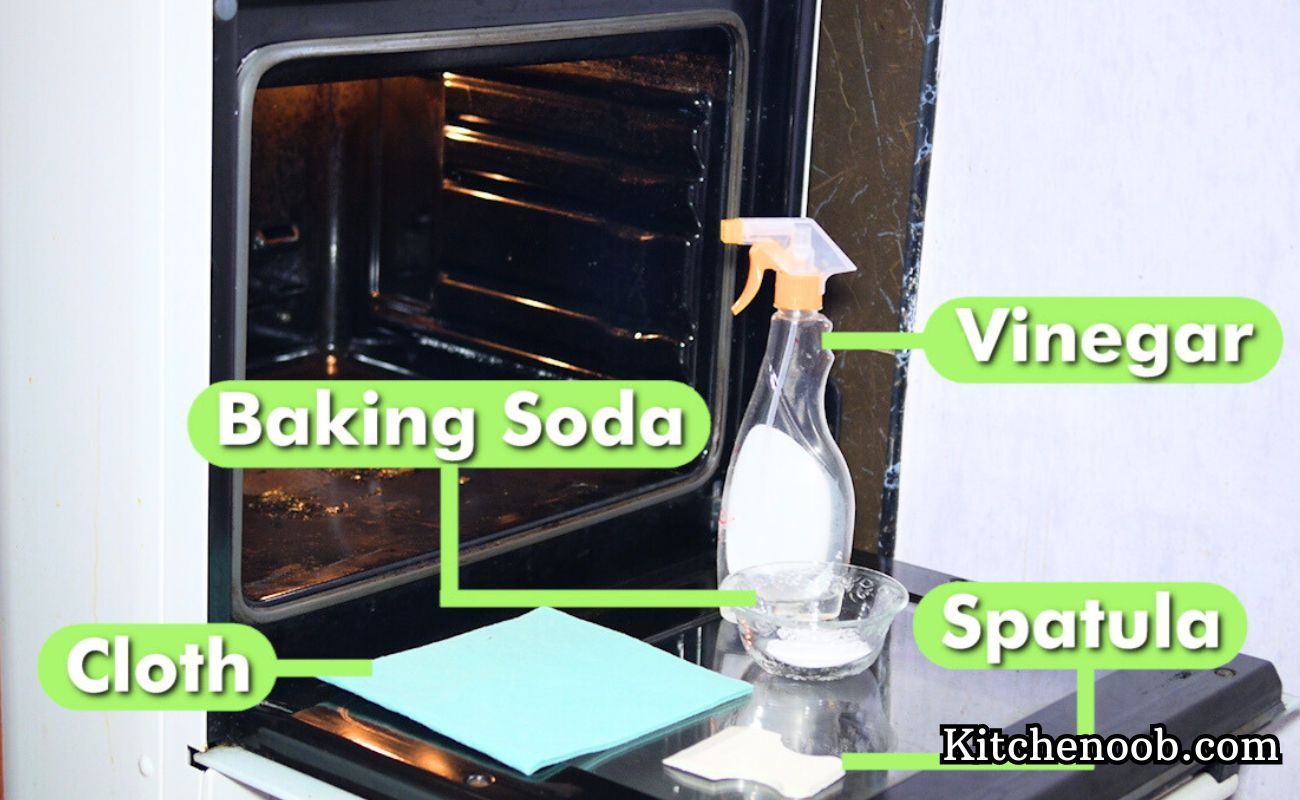
    Cleaning your Oven with Baking Soda, Water, and Vinegar is easy and natural

    • First, remove the oven racks and all other things such as pizza stones, and anything removable. Place all these stuff separately so that you can clean them afterward.
    • Now, take ½ (80 or 90 grams) cup of baking soda and three tablespoons of plain water.
    • Mix both these ingredients thoroughly in any container. Mix them until you see a spreadable paste.
    • If required, you can add more water or soda. Keep in mind that you will spread this mixture later. So, it should not be too thin, nor too thick.
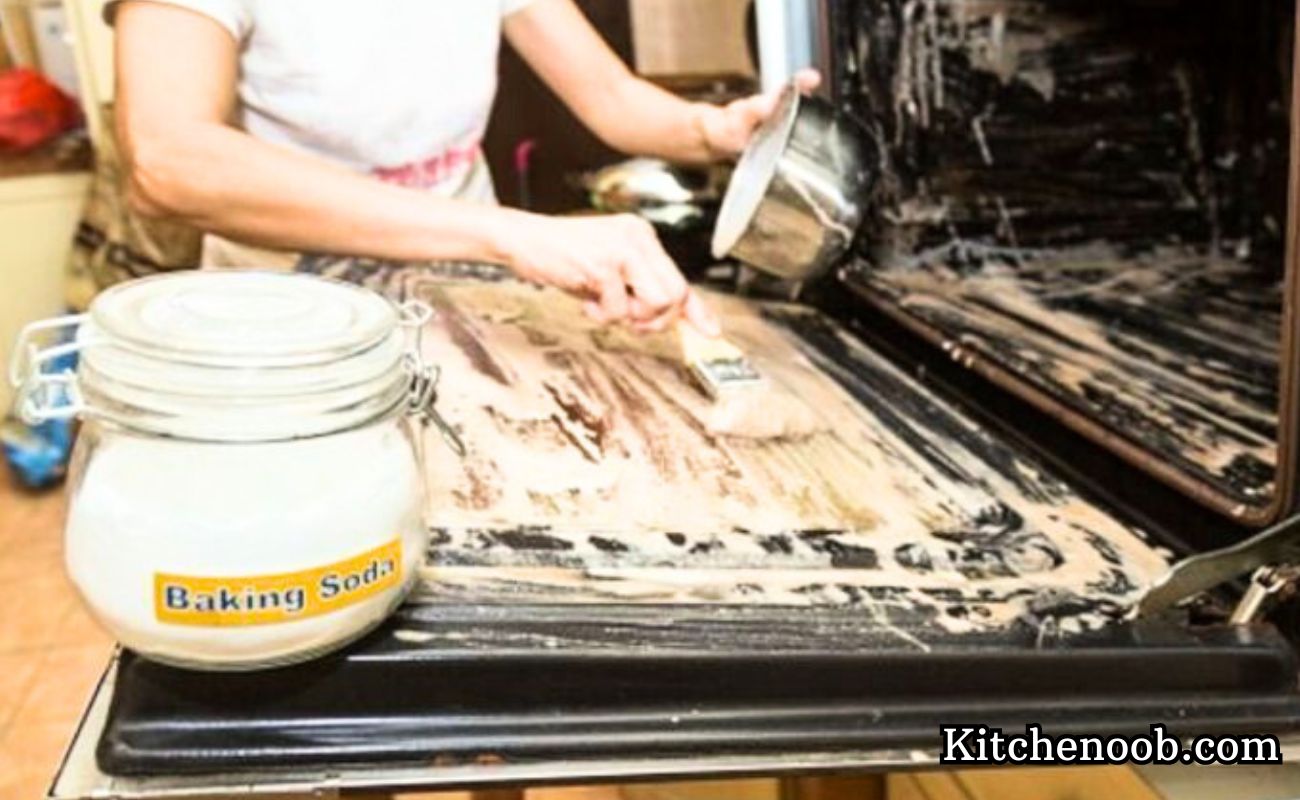
    • When the paste is ready, spread it on the inner side of the oven. Don’t spread the mixture on the heating element!
    • For this purpose, you can use a paintbrush. Spread properly in the oven, especially in the areas where grime and grease are present.
    • You can use this soda and water mixture on the oven door as well if it is too dirty.
    • Let the paste remain in the oven for up to 12 hours and close the oven’s door.
    • After a few minutes, you will see a change in the color of baking soda. It will turn brownish, and it is normal. This change of color happens because the mixture is absorbing the dirt and grime from the oven’s surface.
    • In the meantime, you can clean the oven racks and other stuff.
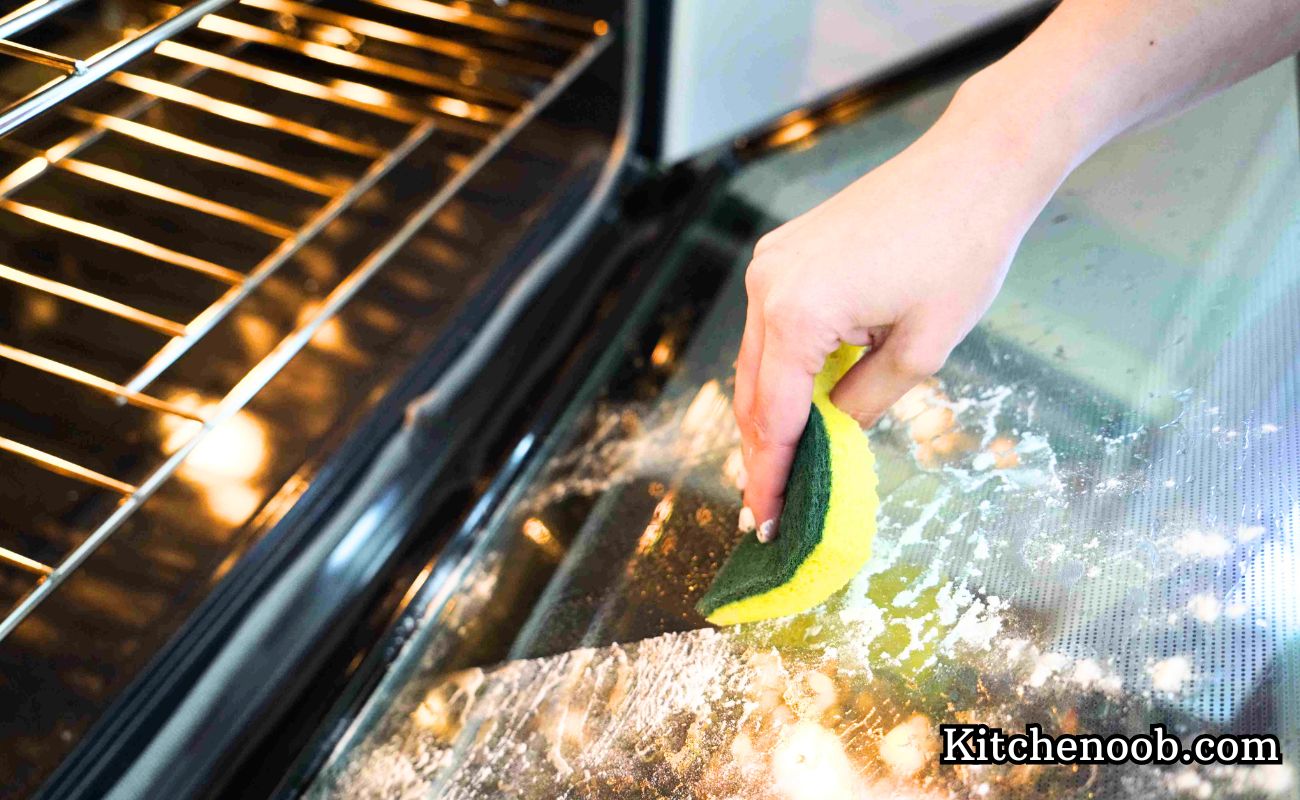
    • To clear off the paste from the oven, you will need a damp cloth and spatula. After 12 hours, you can wipe off the baking soda paste by using a damp cloth and a plastic or silicone spatula. Moreover, be careful and never use a metal spatula for scrapping as it can affect the finishing of your oven.
    • Now, take a ½ white vinegar and mix it with two cups of plain water.
    • Pour the solution into a spray bottle and spray it on the oven. The remaining mixture of baking soda will start to foam. This will remove all the baking soda from the oven’s surface.
    • Wipe off any residue remaining in the oven with a new and wet dishcloth. And soon, you will see a shiny interior of your oven.
    • If you have used baking soda on any other accessory of the oven such as racks, clean them too with vinegar and water spray.
    • Put the racks back in an oven and enjoy baking in a clean and tidy oven.

    How to Clean an Oven with Lemons

    Apart from using it in your regular meals, it is being used to clean your oven. You will need two lemons, water, and a scouring pad during the process of cleaning your dirty oven.

    • To begin with, cut both the lemons and squeeze the juices in any container such as a dish or bowl. After squeezing both lemons, put the lemon’s casing in the same dish.
    • Now, fill the bowl or dish with plain water and put it inside the oven.
    • Turn on the oven and bake it at 200 degrees Fahrenheit for at least 25 to 30 minutes.
    • As the mixture heats, you will see the vapors clinging to the greasy stains and grime.
    • After thirty minutes, take the dish out turn off the oven and let it cool down.
    • When the oven is cooled down, take a scouring pad to remove the residue and grime (if any). You can also use a plastic spatula for this purpose.
    • Keep wiping until the entire oven is clean. After cleaning it, dry the oven with a soft cloth or towel.

    NOTE: The oven will smoke a lot in this cleaning method. So, ensure you have enough ventilation.

    How to Clean an Amana Self-Cleaning Oven

    For cleaning a self-cleaning oven or amana self-cleaning oven you must follow the simple steps given below.

    • First, remove all the racks and other things from the oven. Put these things in a sink or at any other place.
    • Now, when your oven is empty, switch on the self-cleaning function.
    • Usually, the self-cleaning process takes three hours. And your oven will smoke a lot during the process.
    • After three hours or when the process is completed, turn off the oven and let it cool down.
    • Then, take a soft damp cloth or sponge, and clean the debris from the oven. Wipe until you see a shiny interior of your oven.

    What is the Best Oven Cleaner

    Best Oven Cleaner

    The Weiman oven and grill cleaner is a perfect household cleaner. The effectiveness of this de-greaser is excellent, and the unit is completely safe to use on oven doors, interior, broiler and drip pans, ceramic grills, drawers, and handles. This Weiman oven and grill cleaner also guards your appliances against corrosion, rust, deterioration, and germs. Hence it is a multi-purpose and efficient product.

    According to the various user feedback, Weiman’s oven cleaner is an excellent choice for those folks who are looking for a reliable de-greaser. However, according to our experts, to remove greasy stains, you will have to spray multiple times on the affected surface.

    Lastly, it is one of the most powerful oven cleaners on the market that has a bearable and pleasant smell.

    Pros

    • It removes food residue, caked particles, and other grime from the oven.
    • Safe to use on oven doors and broiler.
    • Multi-purpose oven and grill cleaner.

    Cons

    • Expensive oven cleaner as compared to the others in the market.

    How to Clean an Oven with an Oven Cleaner

    Oven cleaners will make the cleaning task quick and easier as compared to the natural cleaning methods. Below is the whole process for your review. Here’s how to clean an oven with an oven cleaner.

    • First, remove all the accessories from the oven as well as the oven racks.
    • Place old newspapers or paper towels on the floor beneath the oven. This is to save the floor.
    • Now, take a bottle of oven cleaner and spray it on the oven. Spray properly on all sides, doors, corners, etc. Shut the door after spraying.
    • Now, carefully read the maker’s instructions (usually mentioned on the bottle) and let the spray sit. Generally, cleaners take about 30 to 35 minutes.
    • In the meantime, spray the cleaner on the racks and other oven accessories.
    • After 30 minutes, open the door of the oven and wipe thoroughly with a soft damp cloth. You can also use a sponge to remove residues and caked particles.
    • Clean the racks and other things with soapy water. After washing the racks, place them inside the oven, and the process is complete!

    NOTE: Store the cleaner away from kids and pets.

    Which is the Good Gloves Option for Cleaning

    ANZOEE is a trusted name in the industry. These reusable, silicone dishwashing gloves by Anzoee are versatile, and you can use them when cleaning your oven, bathroom, dishes, cars, floors, and even pets.

    These Silicone dishwashing gloves by Anzoee feature a thick and soft brush that produces extra foam and also increases friction force.

    Furthermore, these oven-cleaning gloves are approved by the FDA and are BPA-free. So, you will be using a certified and safe product. The ergonomic design of gloves is attractive, and you will not have any problem is using them. The grip is firm, and they feel good in the hands.

    Finally, these silicone gloves for oven cleaning are resistant to heat up to 160 degrees and easy to clean.

    Pros

    • Gloves are effective, and the grip is comfortable.
    • Keep your hands completely dry.
    • Gloves are heat-resistant.

    Cons

    • Heat-resisting capability is not reliable

    How to Clean an oven with Ammonia?

     Clean an oven with Ammonia

    Ammonia is an excellent cleaner and, if you use it with care, it is entirely safe to use for cleaning purposes. You can use it to clean ovens, mirrors, and glass. Here is how to clean your oven with ammonia:

    • First, heat your oven to 150 degrees F and shut it off.
    • Now, take 1/2 cup of ammonia into a bowl and put it on the top shelf.
    • Then take a pan of hot boiling water and place it on the second shelf.
    • Shut the oven’s door and leave it there overnight.
    • Afterwards, wipe the oven with a damp cloth. You will notice that all the grime and caked food residue is removed. Just wipe it off thoroughly, and you are good to go.

    How to Clean an Oven without Chemicals

    Want to clean your oven without any cleaner or chemicals? The following method is the easiest and works well.

    Remove oven racks

    First, take out the oven racks and put in the soapy water. Wash the racks properly and dry them completely after washing. Some oven racks are safe to wash in a dishwasher, but we will advise you to check the manufacturer’s instructions in this regard. After washing and drying the racks, put them on the side.

    Wipe the food residues

    Now, remove all the food particles from your oven.

    Use this mixture as the oven cleaner

    Make a mixture by taking three parts of baking soda and one part of plain water.

    Apply the mixture

    Spread this mixture on the interior of your oven and around. You will have to use the extra mixture on the burnt-on spots. Don’t use the mixture on the heating element. Let the mixture sit overnight.

    Clean the Baking soda 

    Now, remove the baking soda mixture with a wet cloth. You can also use a scraper for this purpose.

    Vinegar Solution

    Take a spray bottle and pour a part of vinegar and one part of water. Spray all over the oven and remove caked particles and the remaining baking soda mixture.

    Place the oven racks 

    Now, put the oven racks back in their place. Your cleaning task is completed, and you can cook now.

    Oven Cleaning FAQ’s

    How to clean an oven door

    A dirty oven door doesn’t look good, and you cannot monitor what is happening inside the oven. So, cleaning the oven door is equally important. Follow this method to clean the oven’s door.

    • Take three or four tablespoons of baking soda (according to the condition of your oven’s door) and two tablespoons of plain water.
    • Now, Open the oven door and apply the paste on the oven door.
    • Let it there for twenty minutes and then wipe it off with a soft, wet cloth.

    How to clean an electric oven

    To clean an electric oven, you will need baking soda and Luke warm water.

    Take one-half cup of baking soda and ½ cup of water. Remove the racks and wipe the entire surface of the oven from the bottom, side, and top. A soft-bristled brush is also suitable for wiping away the dirt and grime. Now, apply the paste and let it sit for two to three hours.

    After the time, remove the paste with a wet cloth or scraper. When all the paste is removed, put the racks back in the oven and you are done.

    How to clean an oven without oven cleaner?

    Covered above and below as well.

    How long does it take to self-clean an oven?

    Mainly, it depends on the condition of your oven but generally, the self-cleaning of an oven takes about three hours.

    How to Clean an Oven Naturally?

    If you don’t want to use the self-cleaning feature of your oven for any reason, move to universal and natural household items to clean your oven naturally. Here is the process to clean your oven naturally:

    • First, put a pan of plain water inside the oven.
    • Turn it on and heat it to 225 degrees F for up to twenty minutes.
    • After twenty minutes, let it cool down.
    • Now, add some soap to the water pan scrub the grime, and muck with a nylon sponge.
    • Scrub properly until you see a clean and tidy surface of your oven.


  • How to Clean Burnt Calphalon Pans? (6 Easy Ways)

    Clean Burnt Calphalon Pans

    Calphalon is a brand everyone has used himself or probably eaten the food cooked in it.

    Since it is the widely preferred kitchen cookware, it is likely more vulnerable to diverse good and bad conditions.

    Although no person wants to ruin the things they need the most to survive, we are human beings and things happen to us.

    Sometimes we are faced by accidents and sometimes our utensils are faced by accidents and we are the culprits, intentionally or unintentionally.

    Just a minute of carelessness and the stains get over the surface for good, though for good only if you don’t bother doing anything about it.

    Otherwise, it can all be sorted with just a minute of care too.

    However, if it is you or anyone else in the home who is guilty of burning the food in Calphalon pan, worry not.

    I am about to prove you innocent soon.

    6 Easy Ways to Clean Burnt Pans

    Easy Ways to Clean Burnt Pans

    Products and Procedure

    Well, I validate to unfold the solution of the problem straight enough to make it easier for you to explain to any other person afterward.

    1- Barkeeper’s friend

    Why:

    Barkeeper’s Friend is a distinguished cleaning agent available in powder and soft cleanser form, and your utensils will thank you if you use them.

    If you happen to visit many kitchens, I am sure, you will find it near the sink in most kitchens.

    How:
    •  Rinse the Calphalon pan with lukewarm water.

    •  Sprinkle the Barkeeper’s powder or cleanser on the spot where the scratch, stain, or burnt grease is residing.  Gently scrub the burnt area in a small circle with the scrubber for a few minutes. Also, add a bit of dish soap to help lift the stains.  Wash it out and dry it with a clean cloth.

    * It will cost you under $10.How to Clean Burnt Calphalon Pans

    2- Bon Ami

    Why:

    Bon Ami is another amazing household cleaning agent utilized for various causes in which cleaning utensils is one. It is also availed in powder form just like Barkeeper’s friend.

    If you don’t find the Barkeeper’s friend, it is the ideal substitute.

    How:

    The procedure of cleaning the burnt Calphalon with Bon Ami is the same as with the Barkeepers.

    * It will cost you under $15.

    3- Magic Eraser

    Why:

    Magic Eraser (called Melamine foam) sold by Mr. Clean is a hard-core cleaner that gets you rid of any stain out there just by rubbing on the affected part.

    How:

  •  Wash or wet the utensil.
  •  Rub the magic eraser on the areas where the stain or burn is in excess.

  •  Keep rubbing gently.
  •   Rinse out the utensil.
  • * It will cost you under $15.

    you might like: 5 Simple Ways to Clean Copper Pans

    4- Dawn Foam

    Why:

    Dawn foam is a potent cleansing formula, claiming to absorb 5 times more grease and dirt than the other cleaners of the same brand.

    It is a liquid soap that you can turn into a full leathery foam in an additional foaming dispenser by adding water and this liquid soap in it.

    How:
    •  Wet the Calphalon pan. 

    • Pour some foam from the foaming dispenser.Take a scrubber and rub it for some time until the burn layers start removing.  Rinse well afterward.

    * It will cost you around $20 for a Dawn soap bottle and foaming refill.

    5- Calphalon Dortmund

    Why:

    A specially designed product for Calphalon users (hard-anodized Calphalon pan) that you can even use daily without worrying about the negative consequences.

    It not only removes the burns but also retains the surface shine. So it is 2-in-1, cleaner, and polisher.

    How:
    •    All you need to do is take a little amount of this cleaner and rub it with the scrubber you have alongside.

    •   Rinse well later.

    * Don’t give up if the stains don’t go off immediately instead keep using it regularly. It is effective but takes time in alternate situations.

    * It will cost you under $20.

    6- Traditional Tips:

    Our traditional tips are our asset.

    When nothing else works, these work amazingly. Kudos to the one who invented or introduced these homemade recipes for working things out. Here’s how you can make use of any of the following tips to kill the burns of your Calphalon pan cheaply.

    i- Baking Soda
    Why:

    Baking soda or Sodium Bicarbonate is alkali in nature and thus a strong cleaning agent that acts against stubborn stains actively.

    However, in most cases. this tip may take a little time to evaluate a positive outcome but it will surely do good on its part.

    It is not a chemical as we also eat it through baking but still using it wisely puts your Calphalon on the safe side from further harm.

    Plus, being easily available at home you can save your bucks for a good purchase sometime.

    How:

    •  Make a thin paste of baking soda plus warm water.

    •  Apply two or three layers of it on the Calphalon pan.

    • Let it sit for a minimum of 30 minutes and a maximum of 1 hour to see the result. Later, gently wash it off under the tap.
    * If the stain is dense, let the cleaning mixture sit for a bit longer and apply another layer from time to time.

    ii- White Vinegar
    Why:

    A lot of kinds of vinegar are available in the market or in your kitchen cabinet too but the one we will need for the process is white vinegar.

    It is highly acidic because of the acetic acid and that is what makes it a weapon in killing the burn layers off your Calphalon pan.

    How:

    •  Take equal proportions of both white vinegar and water and mix well.

    •  Put this solution in burnt Calphalon and let the low flame work on until it starts boiling.

    • After one or two boiling waves, turn the flame off and let the solution be there for more than a couple of minutes.

    •  Remove the solution in the sink and scrub the burnt residues gently.

    •   Rinse well.

    * You can also replace the vinegar with dishwasher liquid for the same process.

    iii- Salt and Lemon
    Why:

    Both salt and lemon have been used as effective cleansing agents for a century. However, if we bring both in one place, it will double the performance.

    Be it stain or grease, this mixture will clear away all.

    How:

    •   Take two spoons of salt and one and a half spoonfuls of lemon juice (increase the quantity if it is less for you 

    •    Apply the mixture to the area of burnt spots.

    •   Leave it on for no more than a maximum of 30 to 45 minutes.

    •  Scrub with the scrubber without being too hard.

    •  Rinse well.

    Tips and Ideas:

    • You can replace your regular scrubber with a Dobbie Pad as its surface is a plastic net. It is enough to prevent scratches.
    • Daily rinsing of the Calphalon pan should be done with lukewarm or direct tap water
    • Avoid high flames- a plain approach to keep it safe in the long run. Thank me later for this tip in particular.

    Wrapping Up

    All the cleaning methods listed above do not require any hard measurements and are good in all areas except in some.

    If your Calphalon pan is aluminum anodized or non-stick, avoid traditional tips.

    On the other hand, if your Calphalon pan is stainless steel in nature, you are good to go with all the valid methods.

    In the last, I advise you to be patient with whichever method you pick since patience is the key to results.

  • How to Season Copper Pans? (Step by step Guide)

    Season Copper Pans

    Ever since I started cooking for my living, as I shifted to another city for a job, I entered into the world of Cookware types.

    It jolted my entire being to the core when I learned the number of types and their specialist uses and also the different accurate ways of handling them.

    Gradually, it started happening and I became a pro, yes in cooking and cookware.

    Needless to say, Copper cookware is known for its beauty.

    So the appearance is another factor, many people want these pans in their kitchen.

    In addition, a big mass loves it for the only reason, it prepares dishes quickly.

    Who will want to cook as our ancestors did?

    Cooking… cooking… cooking… still on the stove… cooking… a little left.

    Nobody has such patience in the 21st century, to be honest, at least I don’t.

    Once I cook and leave it for some time for a market visit or other chores, it is still warm and ready to be enjoyed when I come back.

    Amidst all, you just need to season it properly and I will tell you how along with many other things that I learned sideways.

    Plus, if random cookware research has brought you to this page, it is going to help you ton.

    What is Seasoning?

    Seasoning involves layering the surface of the pan with oil after the scheduled time for the sake of oxidation delay as well as for lasting life.

    Why Seasoning is important?

    I tell you, it is important to save your recipes from sticking to the pan surface. In case it sticks, I bet the left-behind food will not be enough to fill your hunger.

    Keep the corrosion and unevenness at bay by following the guided steps.

    How to Season:

    Seasoning is all about caring.

    Yes, the ease of copper pan is aided with your efforts of maintenance and you kind of eat your fruit of hard work for the long term.

    The steps are so easy and interesting that you will enjoy doing so unless you are not a lazy king or queen.

    Process Ingredients:

    • Oil (1 to 2 tablespoon)
    • Normal water
    • Liquid soap
    •  Stovetop
    •  Clean cloth
    Step 1:

    Start with washing the pan thoroughly. Not just a random rinse, wash it with liquid soap.

    Step 2:

    Dry it well. Don’t take it straight to the seasoning step after washing. There is another step between washing and oiling called drying. Well, I am mentioning this because people are habitual of being so quick cum clumsy to not let the pan dry before the oil is to be poured.

    In this situation, an extra layer of water plus oil forms on the surface and it is difficult to remove or dry.

    Step 3:

    Take any oil of your choice and spread it evenly on the pan surface.

    *I have listed down the good and bad oils and the reasons, have a look.

    Repeating for the benefit, do not leave any dry spots.

    For smart assistance, use a small and clean piece of cloth to spread on the surface and sides.

    Step 4:

    Put the Copper pan on the stovetop on medium heat flame until the smoke flames start rising in the air.

    Step 5:

    Remove the Copper pan from the stovetop and let it sit to dry. Take a clean cloth to dab the surface gently just to absorb the extra oil. Done!

    Good oils to be used:

    Grape-seed oil: It is a great oil for seasoning because of its smoke production. It does not smell too heavy either and hence it is easily available.

    Vegetable oil: It is a great hit for non-stick surfaces and let’s not ignore the bonus of availability, every time in the kitchen.

    Almond oil: This is filled with many health benefits and is light to absorb easily. The smoke production is also on-point.

    The other amazing ”good oils” for seasoning purposes include avocado oil, canola oil, coconut oil(refined form), corn oil(refined form), clarified butter, and mustard oil.

    Bad oils to be avoided:

    Flaxseed oil: While many suggest it, I don’t recommend it at all. This is because it has an odd smell and has even low smoke production. You will not like buying it as it is heavy on the pocket, and heavy on the nostrils too.

    • Olive oil: Lowest smoke production which is a drawback of seasoning. Isn’t it?

    • Safflower oil: In the unrefined form, it has a very low smoke point which makes it unacceptable for seasoning.

    Other some of the ”bad oils” for seasoning include castor oil, coconut oil(unrefined form), corn oil(unrefined form), hemp oil, soybean oil, and walnut oil(unrefined form).

    Kitchen Habits to Adopt:

    Kitchen habits to Adopt
    • For Copper pans, always employ plastic and wooden spatulas to cook. The other ones, metal or steel, is quite harmful to the copper surface.
    • Make a schedule of seasoning the pan once in two months.
    • Once you wash it after use, dry it with a clean cloth right there. Don’t leave it to dry itself.
    • Don’t leave it open either. Put it in the cabinet or somewhere else carefully. Though copper is antibacterial, it still deserves its place. Give it respect, it makes you yummy food.
    • Say no to high heat. It is for your better. I know it can endure but remember it heats up promptly so no need to superheat it.
    • As suggested by experts, keep the ingredients ready and decorated on the counter before you place the pan on the stovetop. There is a logic, as we know, copper cookware heats soon, it will not spare you any time to run here and there to grab spices and cut the vegetables. No, you get to stand there and just add the ingredients.
    • Avoid induction stove and electric heat on usual. If needed most, you can go for electric heating otherwise gas stove is best regularly.
    • Once in a while vinegar cleaning also does wonders for the copper surface.
    • When it is brand new, rinse it with warm water and liquid soap before putting it to cook anything.

    Wrapping Up

    Copper, being a good heat conductor, put forward a handful of perks in even heat distribution, lightweight, sturdy build-up, and quick preparation. Anyhow, to be worthy of all these pros, something to return is necessary.

  • How to Cook with Stainless Steel Pans? (5 Easy Tips)

    Cook with Stainless Steel Pans

    According to a credible estimation on account of modern research, 50 to 60 % of people know the precise recipe method.

    But on the same page, they are clueless about the authentic way of using particular cookware types.

    Sadly, the Stainless steel pans and pots are one of those who get to face this ignorant cruelty that gradually ruins their future performance.

    My mom used Stainless steel and she used to mention to me how even her mother used stainless steel.

    Before this, I was happily using a mix of half of the non-stick and the other half of the ceramic cookware in my kitchen.

    Then one day I was nostalgic and thought to carry on this mother’s heritage of using stainless steel.

    I ran to buy it, a bundle of stainless steel cookware from a famous brand to last its eternity.

    I can tell my kitchen adventure of how terrible in taste was the introductory lunch cooked in the stainless steel pot the day I bought it.

    Because I did not preheat it decently and rushed to put in the ingredients.

    Therefore, half of the meal stuck to the pan and I could not mix suitably due to the frustration of messing up the dish as well as my mood. How clumsy of me back then!

    Anyway, bad experiences honestly teach you to teach others to stave off further bad experiences.

    Time made me receptive to many rights and wrongs that we usually skip to make an impression of in our daily cooking routine.

    Guess what, I am here to share the whole lesson with you people that I learned piecemeal.

    As it is one’s moral duty to be caring for each other. I know I am a good human being. Whoops.

    A Stepwise Guide: The Dos and Don’ts While Using Stainless Steel

    1- Say ”No” to High Temperature

    The main rule to cook in stainless steel is to execute low temperatures.

    Why is it so?

    Stainless steel cookware is constructed by layering up a deal of many harmful elements that impose a straight effect on our health if taken inside, God forbid.

    To intercept this process, there is a shielding layer that ushers to the final surface we use for the cooking.

    However, there is a constant risk of its leaching.

    If the safe surface gets leached, we may meet the damaging elements in our food, and needless to say, the very situation is quite alarming.

    To overcome this possibility, it is advised to promote lower temperatures on stainless steel.

    2- Say ” Yes” to Preheating

    The second rule to cooking in stainless steel is to preheat the utensil before you begin with the expansion of oil.

    Why is it so?

    Stainless steel is a kind of metal that has two distinct surface shapes at hot and cold temperatures.

    When it is cold or at room temperature, some pores show up, and very obvious a normal naked human eye can not observe it.

    This is pretty much possible with the help of a microscope if you are gravely curious.

    Anyhow, these edgy and slightly deep pores invite the ingredients into the invisible surface pits with the idea for food to stick.

    In this case, the cooking will not remain simple and smooth anymore.

    Notwithstanding, when the exterior is hot or heated, the pores spontaneously fill up with warmth and it gets level.

    This readiness of the surface to cooking leaves less to no chance of sticking.

    In light of this reason, the fair suggestion is to preheat first and then move on to the next step.

    How to Know if it is Suitably Preheated?

    it is suitably preheated

    Some people often get distracted by preheating.

    They assume it is done when it actually is not and the other way round.

    To test this, add a drop of water to the pan while it is still on the burner.

    If the water absorbs on the surface, you require additional time to keep on heating.

    However, if the water drop remains still and does not soak up, you are good to go on next.

    The standard 2 to 3 minutes are sufficient for preheating at low-medium temperature.

    The duration may also exceed up 4 or 5 minutes if the temperature is extra low.

    3- Say ”Yes” to Oiling the Pan

    The third step plus rule is oiling the pan following the preheating.

    Why is it so?

    The pan is greased with oil to make the final arrangement for cooking.

    You will be just adding the ingredients right after oiling and stirring them up to proceed with the recipe.

    Whatever you cook, there is always some or a little oil required for the perfect searing.

    The chief idea of oiling is to oil it at the right hot temperature, at the freshly preheated surface.

    After all, the addition of oil has no purpose or impact on the pan when it is cold.

    The oil will ultimately fade in the pores and the after heating will merely draw the mess.

    After accomplishing a flat surface, the oil is to be even across all around.

    You can also do this through a brush or tissue paper.

    Keep the complete list of ingredients ready near you so you don’t have to run around in search of them.

    Otherwise, the pan may overheat and burn the dish right away.

    You can also season your stainless steel pan the exact way you do the cast-iron pan. The aftermath finish feels like a non-stick coating for smooth tossing and stirring with amazing taste.

    Well, this is another treatment to discourage the dishes from gripping the surface.

    You can learn a detailed difference between best and not-so-best oils for seasoning, here.

    4- Say ”Yes” to Proper Cleaning

    The explicit cleaning, in simple words, increases the durability of your product.

    Here are a few pointers that you can augment in your daily cleaning session.

    • Let your pan or pot cool down thoroughly before you put it under the tap splashing cold water.
    • Make use of a wool sponge or other soft scrubber to rub the pan, be gentle doing so. Avoid steel scrubbers on any kind of stainless steel cookware.
    • To improve the universal sparkle and get rid of stubborn stains, use powerful market cleaning agents such as Barkeeper’s Friend, Bon Ami, or Dawn Foam.
    • If substantial food remnants last in the pan after cooking, add a cup of water in it and leave to boil. The hot water will mellow out the residues which will then get off easily.
    • Occasionally, clean the pan with vinegar or baking soda to alleviate the stains, smell, and scratches.

    Why Non-stick Should be Ignored For Regular Use?

    Non-stick should be ignored for regular use

    Well, I got to comprehend this fact much later. Kudos to my intellect.

    While digging out for stainless steel, I was acquainted with a viral debate on the internet that how non-stick should be resisted for regular use.

    Because the authorities are constantly communicating false information to the customers about the small quantity of Teflon used in the making.

    Don’t fear, once in a while or thrice a week is still acceptable.

    But cooking three times a day for daily purposes in non-stick cookware can lead you to many troubles.

    Regardless of how frequently the companies advertise for their safe and healthy application.

    You should expand your wit in the 21st century, for God’s sake.

    Why one Must have a Stainless Steel pan and Pot?

    Stainless steel pan and pot

    I have admired my mother’s cooking a lot for a considerable part of my life.

    The exceptional color, taste, and texture would also compel me to cook like her though I was not so fond of it.

    Well, the stainless steel cookware also had its share in those fine cuisines that I cannot help but recall time and again.

    No matter how serious are you about your modern pick of non-stick in specific or any other type, the durability one tends to find in stainless steel is just not anywhere else.

    In addition, several recipes do justice to your taste buds only when you cook in stainless steel.

    Wrapping Up

    Stainless steel in the original quality is found expensive but it can dearly replace your affection for non-stick.

    Taking the guided stand for either your newly bought or a couple of years old stainless steel cookware will be returned to you in the shape of more power and performance.

  • How to Clean Cast Iron Skillet? (Easiest ways for clean)

    Clean Cast Iron Skillet

    Cast iron skillet is perfect cooking equipment, and its popularity is matchless. The major benefits of cast iron cookware are:

    They are affordable, lasts for decades, sears steak flawlessly, and when you use it frequently can boost iron consumption. Do you know any other skillet that is so beneficial? We don’t think so.

    There is a misconception among the users that cast iron skillets are challenging to clean or maintain. We know that you cannot throw these in the dishwasher like any other, but cleaning the cast iron skillet is not difficult, and if you know how to clean it, you will never think about switching from it. We promise.

    How to Clean a Cast Iron Skillet

     Cleaning cast iron cookware is simple. Here’s how you can do it:

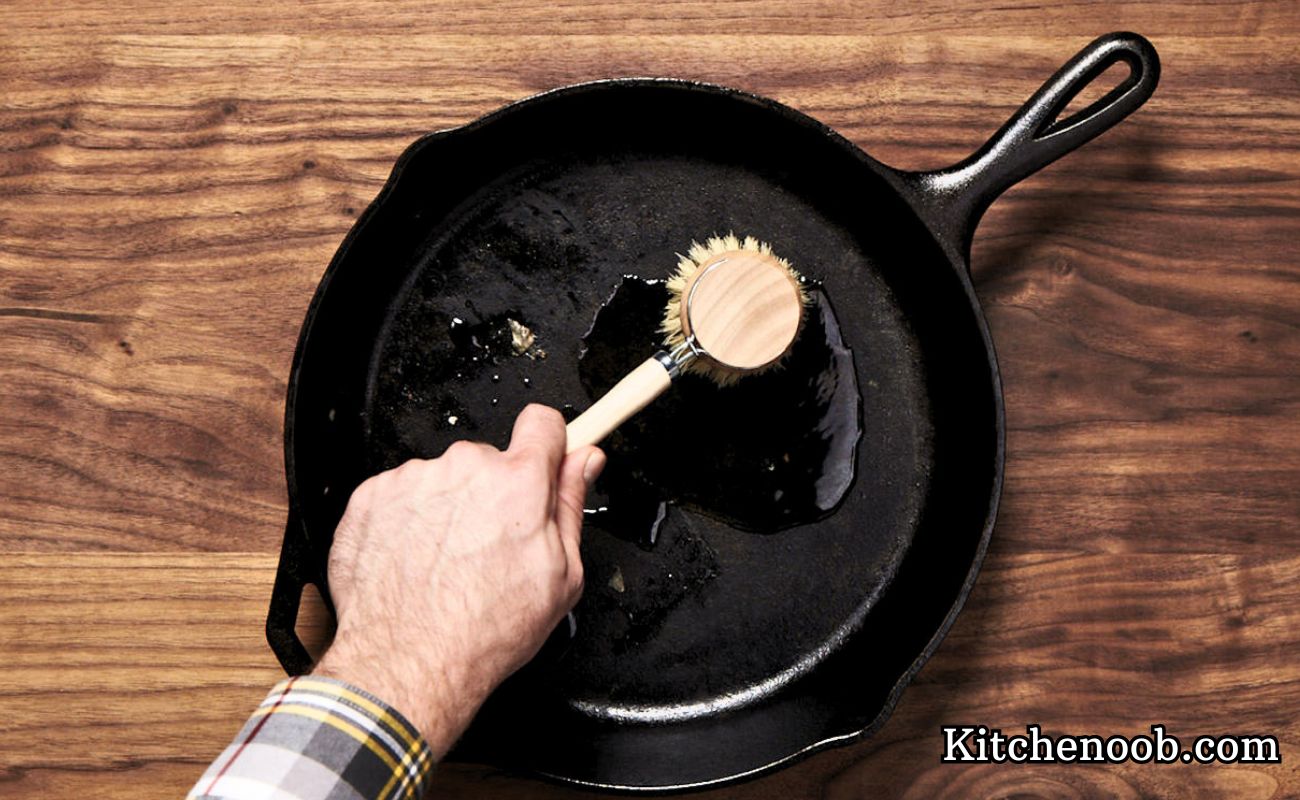
    After cooking in your cast iron skillet, rinse the pan under the hot water. Then take a scrub brush so that no residue is left on the pan’s surface. Now, dry the skillet by using a kitchen towel. Ensure that the skillet is dried entirely. You can also place it on a stove on low flames for a couple of minutes.

    Now, apply a thin coat of oil on the inner side of a skillet. This oil coating will protect the pan’s surface from rust. If your cast iron skillet has a lid, it should not be covered, or you can place a paper towel between the skillet and the lid for better air circulation.

    This process will prevent moisture from building up in the skillet, and it will also keep the skillet safe from corrosion.

    Similarly, don’t store food in a cast-iron skillet as the food acids can harm the surface of your skillet. And keep in mind that cast iron cookware is not dishwasher safe.

    Here are a few more cast iron maintenance tips and facts:

    • Cast iron skillet boosts the iron intake in your diet; the food that you prepare in a cast iron skillet absorbs a bit of iron.
    • Never pour cold liquid into the skillet because this temperature change might cause a crack in the pan.
    • Don’t soak your skillet in the water.

    A little determination and time spent on the maintenance of your skillet will turn it in a long-lasting piece of cookware that will offer excellent to you and perhaps your grandchildren.

    It’s not that time-consuming or tricky to maintain or wash the cast iron skillet. So, if you are not using one, it’s time to get the one.

    How to Clean a Rusty Cast Iron Skillet

    If you have a rusty, filthy skillet, it’s time to think about the restoration process. Depending on the condition of your skillet, you have many ways to treat the skillet.

    First, you will have to prepare a solution. Take vinegar and water in equal quantities as per the size of your skillet. Now soak the skillet in this mixture.

    It will remove all the rust from the pan’s surface. You can take a large container that can accommodate the skillet and put it in that container with the solution. Keep the skillet in the solution for one to four hours, as per the condition of your skillet. The acidic particles in the vinegar will remove the corrosion. You can also use the scrub brush to get rid of the rust.

    Please don’t leave the skillet for too long in the solution because it might affect your skillet’s surface. Keep the condition of your pan in mind before placing it in the solution.

    If your cast iron skillet has more rust, you must soak it in the solution for a long time.

    And when you see no rust on the skillet, wear the gloves and take out the skillet from the solution. After taking it out, wash it in plain running water. After this, dry out the skillet entirely with a towel, or place it on a stove on low flame for a couple of minutes. You can also place the skillet in the oven to ensure it is completely dried.

    Now Oil Up the skillet 

    It’s the characteristic of cast iron cookware to form a thin layer of rust on the surface of the skillet immediately after it dries off. To prevent this, take fine sandpaper to get rid of that thin layer of rust and scrub it to remove the rust and other particles. Now, apply a thin layer of oil on the surface of the pan so the rust cannot come back.

    Now your cast iron skillet is free from dirt and rust; you can season it for better working and long-lasting usage. Don’t cook in the skillet without seasoning it.

    Best Cast Iron Cleaners

    The Ringer – The Handy Tool Designed To Clean Cast Iron Cookware

    This affordable steel cast iron cleaner measures around 8×6-inches. The cleaner features a mesh sheet that is entirely rustproof and also features stainless steel chainmail.

    The cleaner is quite efficient, and it can effectively remove almost all types of grime and dirt from your skillet. It helps to remove caked-on gravel to burnt cheese and crust without much effort. The working mechanism of the cleaner is simple, and you will not notice any stripping of the seasoning nor it will leave any marks or scratches on the surface of the pan.

    Apart from washing your cast iron cookware, you can also use it to clean glassware, stainless steel cookware, and even more.Lastly, it features a little loop so you can hang it after using it, and it is dishwasher safe.

    Full Circle Tenacious Cast Iron Brush and Scraper Tool

    Our next in this category are made from renewable or recycled materials. This Full Circle Tenacious  Cast Iron Brush and Scraper features a sturdy bamboo handle with stiff nylon bristles. The bristles of this scraper are made from recycled plastic materials.

    The brush or scraper works great and looks good too. The overall build is durable, and the bamboo handle can survive rugged usage. So, there will be no issues regarding the breaking of the handle or anything similar even if you give it harsh treatment.

    The dark grey colored bristles are effective even if you use them on various materials, including cast iron cookware. It is a much better choice than a standard scrubbing brush and will not look gross even after several weeks.

    Cast Iron Cleaner and Care Kit

    Cast Iron Cookware tends to last for many decades. Their lives are also much longer than ours, but it is only possible if you use and maintain them properly. This Cast Iron Cleaner and Care Kit by Airpod Skins allows you to take care of your cast iron skillets and other cookware properly. Each item in this cleaning kit will prolong the life of your cookware.

    Overall, every item in the kit features premium quality materials such as food-grade, premium silicone, natural oil, and heavy-duty plastic. So, you will not notice any rust, chipping, or other deformation on your cookware.

    Another prominent feature of this kit is that all the items are dishwasher-safe. So, no problem in cleaning and maintaining the included items. You can use this kit for other materials besides cast iron such as stainless steel, glassware, cookie sheet, pie pans, and even more.

    In the pack, you will get:

    • One chainmail scrubber.
    • One cast iron oil.
    • One hot handle holder.
    • One-pan scraper.
    • One-pan scraper with curved and straight edges.
  • How to Freeze Squash? Best Preservation Methods

    Freeze Squash

    Is there a fruit or vegetable you love so much that you’d eat it all the time, no matter if it’s in season or not?

    OR

    Do you have a growing garden of your own which means having the vegetable in abundance but not a big family to finish it within the season?

    You can save it for use later. Yes!

    But how exactly is that possible? By freezing it!

    You can freeze summer vegetables for winter and winter vegetables or fruits for summer! To help you out, we’ll show you how to freeze the top three squashes—two from winter and one from summer. These squashes can be used in countless delicious recipes, keeping most of their nutrition and even tasting better. So, save some time in your routine and freeze these squashes for later use!

    How to Freeze Butternut Squash?

    The process is easy peasy. Follow the steps one by one to freeze your butternut (both raw and cooked).

    Steps to Freeze Raw Butternut Squash:

    • The first and foremost thing is to peel the butternut.
    • Later, you’ll need to carefully remove the seeds. Well, don’t damage its shape and appearance while removing the seeds.
    • For storing raw butternut squash, the best approach is to cut it into small pieces and then freeze it.
    • If so, make sure to cut the pieces in equal sizes. f you cut them into uneven sizes, freezing and storing will be harder.
    • Therefore, the size should be about or under 1 inch to use it easily in a variety of meals.
    • Once you’re done cutting, get some parchment paper or a baking sheet, which you can easily find in stores.
    • Spread the freshly cut butternut pieces on the paper on a large tray, leaving a little space between them so they don’t overlap.
    • Now place this tray in the freezer and wait for a few hours to let it freeze to the core.
    • After this, move the frozen butternut pieces into a freezer bag. There are special plastic freezer bags that you can find in the market to store the stuff for a long time without having it deteriorate. Heavy-duty bags or sturdy containers are the best for storing your butternut squash.
    • Don’t fill the freezer bag or container all the way to the top; leave a little space.
    • When you need some, take the bag out, grab the amount of butternut pieces you want, and put the rest back in the freezer.
    • When you need some, take the bag out, grab the amount of butternut pieces you want, and put the rest back in the freezer. You don’t need to reheat it but just letting it adjust with the room temperature is enough.

    Steps to Freeze Cooked Butternut Squash:

    • To freeze cooked butternut squash, you have to undergo the same old procedure of peeling and removing the seeds.
    • Cooked butternut lasts longer in the freezer when it’s blended into a puree.

    • You can pour that purée into an ice cube tray to create fun shapes! It’s a great way to freeze portions for later use or to add a pop of flavor to drinks.
    • However, you can store the cooked butternut puree in a bigger tin than the average size of ice cube trays.
    • Whatever you use to shape them for freezing, don’t forget to place a parchment paper under it.
    • Once it’s frozen, transfer it into a freezer bag.
    • Before using them in the dishes, it is necessary to reheat the frozen cooked butternut puree because it will exhibit no taste otherwise.

    How to Freeze Spaghetti Squash?

    Although you can also freeze uncooked spaghetti squash like butternut squash it is mainly not suitable because it will not make pasta-like strands.

    Steps to Cook the Spaghetti Squash:

    • Begin with cutting the spaghetti squash with the help of extra sharp knives because its exterior is too hard to be cut easily.
    • To make cutting easier, you can soften the spaghetti squash first. Just place it in the oven for a few minutes before cutting it.
    • Since it is the kind of fruit that is loaded with lots of marrow inside, the wise approach is to puncture it with the help of a fork or knife to create minor holes in it. This will save your spaghetti squash from nearly exploding when the warmth will work on it.
    • This step has to be done if you want to put the spaghetti squash as a whole in the oven. Therefore, if you decide to cut it in half before putting it in the oven, you may skip that puncturing step. But, it is suggested to put this fruit whole in the oven and then cut it.
    • After having the fruit cut lengthwise, remove the seeds. Keep them or discard them, it’s your choice but some people roast them to use as an evening snack.
    • Apply a thin layer of oil, a little salt, and any other herb that you would want to have the taste of. Place it over parchment paper or baking sheet. This seasoning step can also be done later at the time of unfreezing it.
    • Now finally moving it to the oven at 218 degrees for as much as an hour or 45 minutes would do good too if you want a more neutral taste.
    • After that, remove it and allow it to cool to room temperature.

    Steps to Freeze Cooked Spaghetti Squash:

    • To freeze the spaghetti squash, let it cool down first. Let it adjust to the room temperature. It may take half an hour to 1 hour but this is necessary to ensure that the spaghetti strings are completely dry now before you freeze it.
    • After this, place the spaghetti squash on a cookie sheet or parchment paper and transfer it to the freezer.
    • Later on, after a few hours, you can finally move it to another container where it will rest until finished one by one.
    • At the time of eating, take the spaghetti squash out, and warm it in the microwave for a few minutes.
    • If you had seasoned it before freezing, the effort is little.
    • If it was not seasoned beforehand, layer it with olive oil, salt, and pepper and then put it in the microwave for 1 min. Otherwise, just cover the already seasoned spaghetti squash using the oven-friendly cover.
    • After this period, remove the spaghetti squash from the oven and create the strands with the help of a fork. This is ready!

    Are spaghetti squash and butternut squash the same things?

    Both belong to the same family, but they differ in taste, appearance, texture, and how they look when cooked.However, the similar part is, that both are used highly for freezing when the winter season is ending. Butternut squash tastes better when it is frozen in raw form while the spaghetti squash tastes ideal when it is cooked and then frozen. Health-wise, butternut squash offers more nutritional value than spaghetti squash, but many people love spaghetti squash for its pasta-like strands.

    How to Freeze Yellow/Summer Squash?

    Enough about winter squash; let’s explore some summer squash options.

    Steps to Freeze Summer Squash:

    • Buy fresh summer squash from the vegetable store, after closely inspecting that they are not deteriorating even a bit.
    • Wash them thoroughly and gently scrub off any dirt using your hands or a soft brush.
    • Cut them into round slices, aiming for a thickness that’s moderate—between 1 and 2 inches.
    • Now is the time to quickly blanch the cut slices of summer squash.
    • Take a medium water, fill it with water and put it on the stove.
    • Let it come to a boil, then add the summer squash slices. Cook for at least 3 minutes and no more than 5 minutes.
    • As the time to remove them approaches, quickly prepare a bowl of iced water. Fill a bowl with cold water and toss in some ice cubes. This makes a cold bath, perfect for cooling drinks or refreshing food quickly!
    • After removing the summer squash from the boiling water using a drainer, immediately transfer it to the bowl of ice water.
    • After 3 to 4 minutes, discard the iced water, leaving behind only the summer squash slices.
    • Spread these evenly over a paper towel to dry the leftover water.
    • After that, place them in a freezer bag and transfer to the freezer. Use within 6 to 8 months.

     How do you freeze squash without it being mushy?

    To save your squash from being mushy and soggy, you need to swear by these 3 important rules.

    • When you wash it at the beginning of the process, don’t leave it outside for too long. You need to blanch or cook it promptly, depending on the specific fruit or vegetable.
    • Moreover, after you have blanched it and now is the turn to freeze it, make sure to extract all the water out of it. For this, spread it in a tray in the open air.
    • Plus it should also not be warm when you put it in the freezer. Make sure the squash is thoroughly cooled down before filling it into the freezer bag.

    All these things will collectively protect your squash from being mushy and soggy.

    Wrapping Up

    Kids, these days, don’t love some of the fruits at all, while there are some other fruits that they want to eat the year around. Since you can not get the seasoned fruits once their season is out, you can certainly freeze these winter fruits for a few more months to serve your taste buds.

    Spaghetti squash is a fantastic option for kids, offering a low-carb alternative to traditional pasta while still packing in nutrients. Its unique texture can make meals fun, and it’s a great way to sneak in some veggies! Plus, freezing spaghetti squash is a smart way to preserve it for quick snacks or meals later on. Just cook it, scoop out the strands, and freeze—easy and delicious! Do you have a favorite recipe to use it in?

  • How to Season Cast Iron? (Quick and Easy ways)

    Season Cast Iron

    If you are using a cast iron skillet, you know about the benefits of cooking in it. The even heat distribution and cooking throughout the pan, the excellent non-stick capabilities, and the cast iron skillets last for decades.

    Cast iron pans are perfect cookware for frying, simmering, baking, and more. However, they need love and carefulness regularly. The delicious cooking experience that you get with a cast iron skillet certainly balances this routine care and maintenance.

    If you are not sure how to care after your cast iron skillet as well as how to season the pan and what to do if your cast iron skillet is rusty, this ultimate guide will walk you through all these routine maintenance tasks of cast iron skillets.

    3. Simple Ways to Season Cast Iron

    Below please find the most common ways to season cast iron quickly and effectively.

    Seasoning Cast Iron in Oven

    We call this seasoning method the standard one. For many decades, oven seasoning has been the most recommended method to season new and old cast-iron items. And you will not find any other method simpler than the oven seasoning. Here is how you do that:

    • Apply a thin layer of oil on a cast iron skillet and put it upside down in an oven.
    • Preheat the oven before keeping the skillet.
    • The ideal oven temperature for seasoning is 450 to 500 degrees.
    • Let it in the oven for about 60 minutes to 90 minutes.
    • Now, turn off the oven and let it cool down. This helps the seasoning set properly on your cast iron.

    Pros

    • The method is simple, and you can do it without any hassles. However, ensure that the oven is pre-heated correctly before placing the skillet in the oven.

    Cons

    • As compared to other seasoning ways, oven seasoning takes about 3 to 4 hours. So, in this way, it is time-consuming.

    Cast Iron Stovetop Seasoning

    Stovetop seasoning is the most preferred method of seasoning for experts and professional chefs. The stovetop seasoning is relatively simple and the most effective seasoning way for cast iron utensils and cookware. Here is how you do that:

    • Apply a thin coating of oil, preferably vegetable oil all over a cast iron pan.
    • Don’t forget to apply the oil on the backside of the pan.
    • Now place it on a stove till you notice a lot of smoke.
    • Keep it for at least 20 to 25 minutes on the stove.
    • There will be a lot of smoke, so be cautious.
    • Now, remove it and let it cool down entirely before usage.

    Pros

    • Stovetop seasoning is quick. You can do that in about 30 minutes from start to finish. Another main benefit of this method is that you will not be using your oven for hours.

    Cons

    • There will be a lot of smoke. So, if you are suffering from any respiratory problem, stovetop seasoning is not recommended for you.

    No Seasoning

    Some might be surprised to learn that many experts prefer not to use seasoning at all. They believe that adding too much can hide the natural flavors of the food. What do you think about that idea?

    One such expert is Dennis Powell of Butter Pat Industries. According to these class of experts rather than seasoning specifically by using any method you just “grease the pan with lard and cook.” That’s all.

    Another thing that experts recommend when you follow the seasoning method is to always cook high-fat content first in your cast iron skillet. As per experts, if you frequently cook high-fat content, you don’t need any seasoning.

    Pros

    • Factually there will be no work of any kind for you to do. No oven usage, no smoke, no oil.

    Cons

    • You might find the uneven surface and dark spots on your cast iron cookware.

    Go to top

    How to Reseason Cast Iron

    If you were not taking care of your cast iron skillet for quite some time, you might need to reseason it before using it or else you will find it difficult to cook in it.

    How and When to Re-Season Cast Iron

    With time, the skillet’s finishing may gradually wear off. Mainly it depends on your usage and how you clean or maintain it after the usage.

    If you are going through this problem, then it is time to re-season your cast iron cookware. Follow these simple steps to reseason the cast iron skillet:

    Clean it Properly

    The first step includes washing your skillet thoroughly with warm, soapy water. You can also use salt and a paper towel to remove the stubborn bits and residues.

    After cleaning your cast iron pan, make sure that it is wiped and dried completely.

    It is essential because little moisture in your pan can attract rust. For this purpose, you can heat the pan on the stove so that no moisture is left in the pan.

    Apply Oil on Your Cast Iron Pan

    After washing and drying, move on to apply a thin layer of oil on your skillet. Apply the oil on the cooking area, pan sides, and at the bottom. In simple words, ensure that the whole surface is covered with a layer of oil including the nooks and crannies of the skillet.

    The layer will protect your pan from rust. However, don’t use too much oil, and if you notice that oil is in excess, you can wipe it off with a paper towel.

    Which Oil is Best to Reseason a Cast Iron?

    You can use vegetable oil, bacon grease, or lard to reseason your cast iron pan. In our opinion, you can use any cooking oil; however, flaxseed oil is mostly preferred by users to reseason a cast iron skillet. If you don’t have flaxseed oil, you can use any other cooking oil.

    Reseason the Cast Iron Skillet in an Oven

    You can also reseason cast iron in an oven, and it is simple.

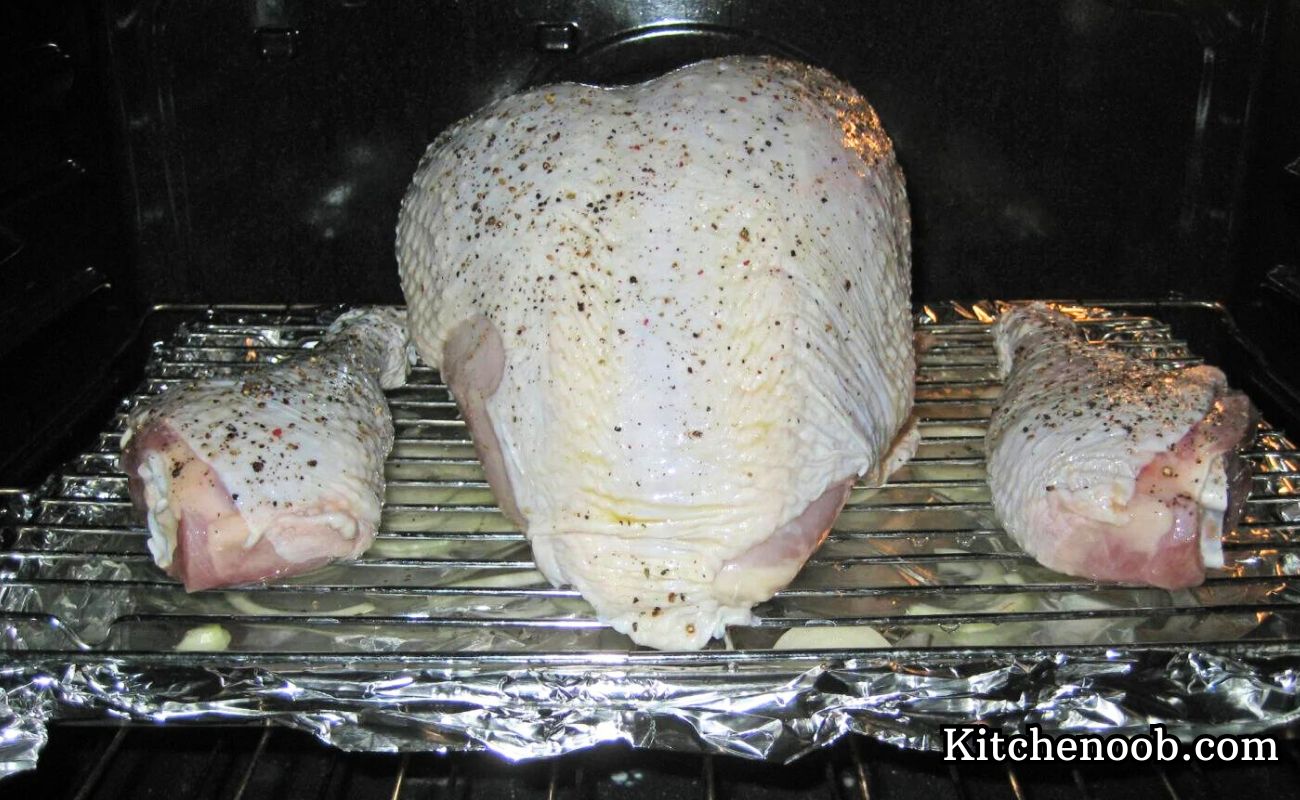
    • First, put the aluminum foil to protect the rack of your oven. (Always apply a thin coating of oil when seasoning or re-seasoning the cast iron skillet). Now, preheat the oven to 450F.
    • Now, put the cast iron pan upside down in the oven.
    • Leave it for about 35 minutes to 60 minutes and after that, take out your skillet. Apply the oil again and put it back in the oven. Repeat it for 2 to 3 times. (Your pan will be too hot, so be careful while doing this).
    • After the last round, take out the skillet and let it cool. It will take approx. 1 to 2 hours. After your cast iron pan is cooled, you can use it for cooking.

    Reviving and Seasoning a Rusty Cast Iron Skillet

    Things that you will need

    • Steel wool
    • Soap
    • Scrubbing brush
    • Paper towels
    • Vegetable oil or any other cooking oil
    • Foil

    Ways to season a rusty cast iron frying pan

    Take away all the rust: You can use steel wool to remove all the rust from your pan. Scrub it till all the rust is removed.

    Wash the pan properly: After removing rust, wash the pan with plain water and soap. Scrub the pan gently with a bristle brush or sponge.

    Dry the cast iron skillet: Wipe it and dry the pan with paper towels.

    Apply oil on the pan: Apply a little vegetable oil or any other cooking oil on the entire skillet. If the handle is rusty, apply oil on the handle as well.

    Put the skillet in an oven: Now, put the pan overturned in the oven. If there is any excess oil, wipe it off with paper and place aluminum foil to prevent the oven from oil dripping. Heat the cast iron at 350 degrees for up to an hour.

    Let it cool down completely before using.

    Best way to Season Cast Iron

    To enhance the working life and efficiency of your cast iron cookware, you need to season it properly before usage and the best way to season the cast iron is mentioned below:

    • First, heat your oven to 350 degrees F. Wash and clean your cast iron cookware with hot soapy water.
    • Now, dry it completely with a paper towel.
    • Now, apply a thin layer of oil all over the pan and handles.
    • If there is any excess oil, remove it by using a paper towel.
    • Put aluminum foil on the bottom rack of the oven and put the skillet on the head in your oven after it is pre-heated.
    • After an hour switch off the oven and let it cool down in the oven. Never use ice or water to cool it down.
    • For the desired results, you can repeat steps No. 4 and 8 two or even three times.

    How often do you Season a Cast Iron Skillet?

    Nowadays, cast iron skillets come pre-seasoned, but you should season it before the first use. After the first use, if you are adequately maintaining your skillet, you don’t have to season or reseason it until it loses its effectiveness. However, if you still want to give your cast iron skillet special care, once or twice a year is enough.

    How to Cure a Cast Iron Skillet?

    The best way to cure a cast iron skillet is to maintain it properly and season it when required. Always season your skillet before the first use even if it comes pre-seasoned. Similarly, never leave any wetness or moisture in the pan after cleaning, wipe it with a paper towel or put it on the stove. Cast iron skillets can attract rust rapidly, so be careful.

    How to Care for Cast Iron?

    To maintain your cast iron cookware always follow these simple routine tasks:

    Wash it with Soap Once

    It’s OK to use soapy water on a new cast iron pan or a rusty one but avoid hard detergents or soaps as it will affect the non-stick surface of the pan. Similarly, don’t wash cast iron pan in a dishwasher.

    Season Your Pan Before First Use

    Seasoning your pan creates a non-stick coating, and the surface of your pan will get much better with the usage. Mostly, cast iron pans come pre-seasoned, but you should season them as well before the first usage.

    When Cooking for the First Time

    Cast iron cookware is ideal for many food items such as searing pork chops to baking cornbread. Here we will recommend you to prepare a high-fat content because it will harden the non-stick surface. Similarly, never store any type of food in a cast iron skillet as it can affect the seasoned surface.

    Keep Your Skillet Clean

    Never soak your cast iron cookware. You can use a Luke warm water and a soft sponge to remove cooking residue. Never use harsh chemicals or steel brushes to wash your pan.

    Dry it Completely

    Moisture is not good for cast iron pans because it will attract rust. So, dry the pan completely after washing. You can place the pan on the stove for 5 minutes so that there is no moisture remaining in the pan. Similarly, always store cast iron cookware in a dry place to prevent rust and corrosion.

    Wrapping up 

    You can cook various delicious items in a cast iron skillet including that classic rustic seasoned taste that you will only find in a cast iron skillet.

    As long as you are seasoning the cast iron skillet correctly or taking adequate care of it, the cast iron skillet will work effectively for a lifetime. In this guide, you will find all the information regarding the maintenance of cast iron skillet and how to season a cast iron skillet. Overall, cast iron cookware is simple to use and clean. So, you will not have much hassle in taking good care of it.


  • How to Clean Oven Rack in 5 ways? (Quickly and Easily)

    How to Clean Oven Racks

    Baking and cooking are hobbies that many people love. They let you be creative, try new flavors, and share tasty dishes with friends and family. Whenever someone, especially a new chef, grabs a skillet, our kitchen, sometimes, becomes a complete mess. When you bake, oven racks can get messy, and cleaning them afterward can take a lot of time and effort.

    Perhaps, nothing can be worse than a dirty oven. It is among the terrible tasks during the cleaning process. The situation gets dreadful if oven racks are coated with stains, burned foods, and grease. The racks of the oven still catch some residue or grime if you don’t use them.

    So, they require timely cleaning because if you don’t, your efforts and time in cleaning them will be much more, and it won’t be easy to bring them back to their original glossy condition.

    So, how do you clean your oven racks? It is simple! Our experts have got you covered. Below you will find a thorough guide regarding the cleaning process. So, let’s move on:

    What are Oven Racks?

    What are Oven Racks?

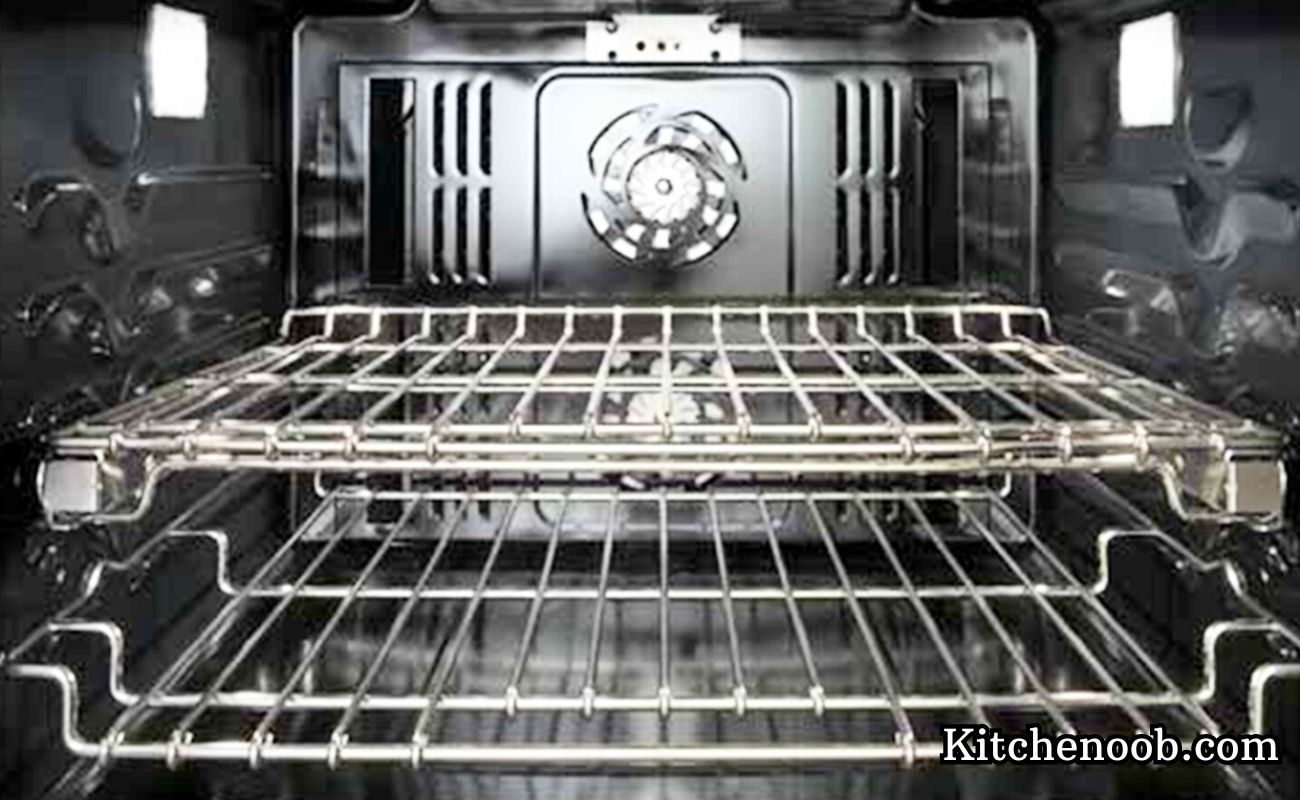
    Oven racks are partitions in the oven, which you can remove for various purposes, such as cleaning, and you can also move them as per the temperature requirements of your cooking/food.

    The middle rack of the oven provides an even distribution of the heat and air that helps in perfect baking.

    The bottom oven rack is closest to the heat source, making it ideal for foods that need high heat, like pizzas or roasted vegetables. It helps achieve a nice, crispy bottom. The top oven rack is the farthest from the heat source and is ideal for delicate baking/cooking items.

    Best Ways to Clean Oven Racks

    Best ways to Clean Oven Racks

    When you bake or cook in your oven, the oven racks are the first component that catches grease and grime. Here is the best way to clean your oven racks, and after using this cleaning technique, your racks will look brand new.

    So, stay tuned and follow these simple steps to make your dirty oven racks like brand-new ones, and we are sure that by the end of this post, you will get shiny and sparkling oven racks.

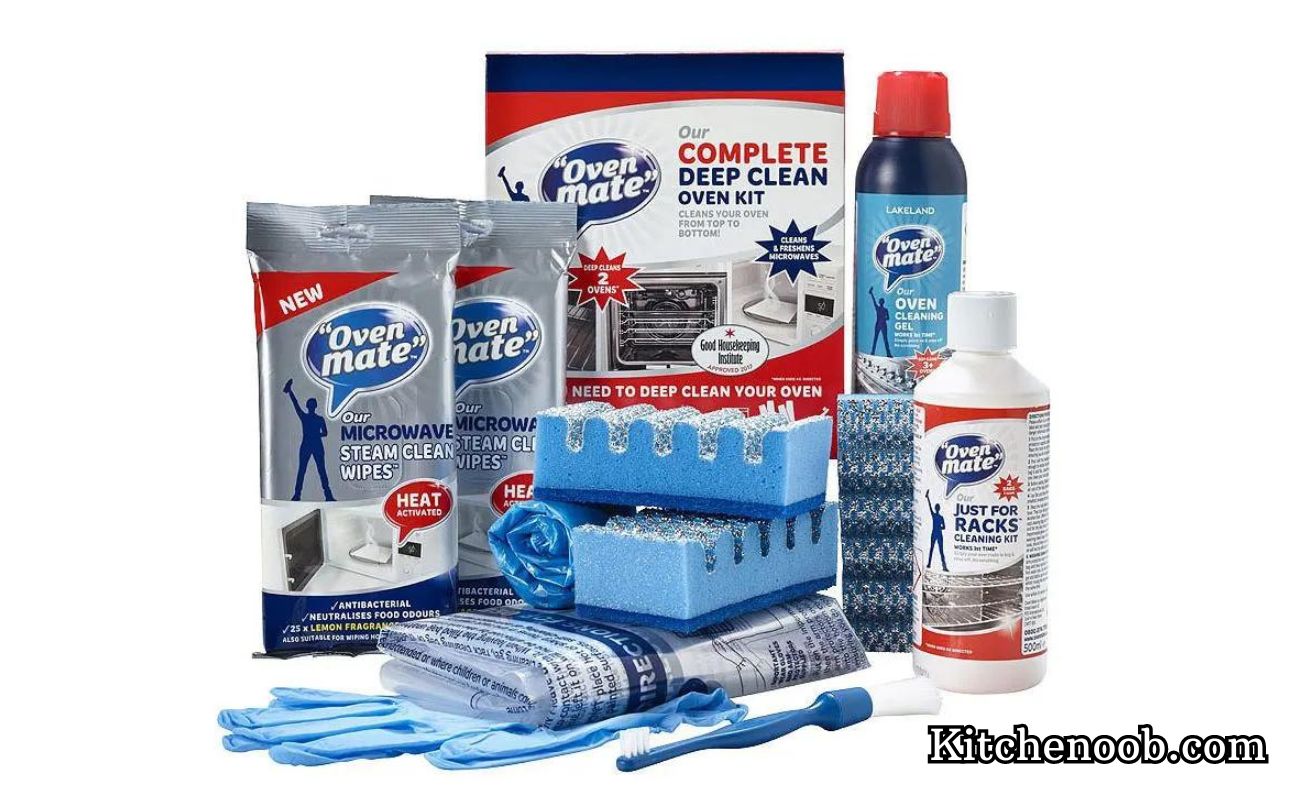
    • First, place a clean towel at the bottom of the bathtub so that the surface of your bathtub can be protected from abrasions and marks caused by detergents and racks.
    • Now, place the oven racks on top of a towel in the tub. This will help catch any dirt or grime that comes off while soaking.
    • Then fill the bathtub with hot water and plug the drain. Hot water will break all the stains and grease on the racks.
    • Let it fill until all racks are dipped in the water fully.
    • Now, take a cup of any washing detergent in a jar and fill it with plain water.
    • Then add this mixture in a bathtub. The soapy water and the detergent will work together to remove grease and stains from oven racks.
    • Now let them in the water for up to 6 to 10 hours, or if your racks are too greasy, leave them overnight.
    • After 6 to 10 hours or the next morning, drain the bathtub and take out the racks. You will find the clean oven racks this time.
    • Dry them thoroughly before placing them back in an oven. And here is the best way to clean your oven racks!

    How to Clean Oven Racks with Dryer Sheets

    How to Clean Oven Racks with Dryer Sheets

    Here is another popular and straightforward method to clean the racks. Many people like to clean the oven racks with the help of dryer sheets. Here is how you do it:

    • Take five to ten dryer sheets and them in a bathtub.
    • Now take about half a cup of dishwashing detergent and put your dirty oven racks in it.
    • Let them soak for five to ten hours (it depends on the conditions of your racks)
    • The fabric softening extracts in dryer sheets will soften the food residue-caked grime from racks.
    • However, there are some vital points to keep in mind while using this cleaning method:
    • Dryer sheets contain ingredients that can be dangerous to your health. Second, dryer sheets are expensive, and no manufacturer recommends this method.

    How to Clean Oven Racks with Ammonia

    If your oven racks are extremely dirty and greasy, then you should go for this method. This ammonia and rubbish bag cleaning method will remove all the caked grime from the surface of your oven racks

    Wear household gloves and place the racks in a rubbish bag. Now, pour about a half cup of ammonia on the racks. Close the bags as tightly as you can and remove as much air as possible. Then, leave the bags in a separate place, preferably outside your kitchen, for up to three hours.

    Now, wear the gloves again and take out the racks from the containers. Wash and clean them thoroughly with water and dry them before putting them back in an oven.

    How to Clean Oven Racks with Foil

    How to Clean Oven Racks with Foil

    Cleaning an oven rack with foil is a simple and one of the most effective methods. To do this, you will need a dishwasher tablet, a bathtub with water, and aluminum foil. The process is not too time-consuming, and you can complete it in about two hours. Follow these steps to clean your oven racks with foil:

    • Take out oven racks and wrap them with aluminum foil.
    • Now put them in a bathtub filled with hot water.
    • Let them soak in hot water and a dishwasher tablet for two hours.
    • After that, take the racks out of the water and unwrap them.
    • Dry the racks and put clean oven racks back in your oven.

    Why You Should Clean Your Oven Racks

    Cleaning oven racks is not an exciting task. It can be lengthy, and most of us don’t like scrubbing the racks. But it is essential to clean them frequently, and we all must do it for better health.

    Every so often, after you cook or bake any food in the oven, burnt food, grease, and residue are left on the racks. It looks filthier, and more importantly, if you don’t clean it, you will be cooking in an unhealthy environment.

    With these techniques, your racks will be cleaned and shining like a new rack. All the methods mentioned in this reading require minimum effort at your end. Lastly, cleaning oven racks is a task that we don’t like, but it is essential for the better health of you and your family.

    What is the Easiest way to Clean Oven Racks?

    What is the Easiest way to Clean Oven Racks

    Luckily, by using this method, you can perform the task in no time and with less hassle. So, allow us to present the easiest way to clean oven racks:

    For this method, you will need a bathtub, dishwasher granules, old but clean towels, and sponges.

    • In this easiest method, place the old and clean towels in your bathtub. You can also place sponges in the corners to protect the surface of your bathtub.
    • Now, carefully put the racks above the towels and sponges.
    • Fill the bathtub with normal water and pour a cup of dishwasher powder.
    • Keep the racks in the water for a whole night.
    • Take out the racks from the tub the next morning and wash them with plain water and sponge. If you still see any stains or caked grime on the racks, scrub it with a sponge.
    • Dry the racks properly before using them.

    Some Additional Tips to Remember:

    If you want to use this method, there are some vital things to keep in mind:

    If your oven racks have an enamel finish, don’t apply too much force or pressure. Similarly, don’t scrub them too hard as it can damage the finishing. Use an old toothbrush or soft bristle brush to clean the racks.

    You might like: How to Clean Cast Iron Skillet

    Cleaning Oven Racks – FAQ’s

    How to Clean Oven Racks with Baking Soda

    How to Clean Oven Racks with Baking Soda

    Baking soda is an excellent oven rack cleaner. It’s affordable, won’t scratch the rack’s surface, and has excellent cleaning power.

    Here’s how to clean oven racks by using baking soda:

    • Fill the tub with hot water.
    • Now, pour three cups of baking soda and mix it properly.
    • Then, put the racks in water in such a way that they are fully covered in the water.
    • Let the racks soak in the baking soda solution for about six to eight hours.
    • After that, take the racks out and wipe them with a clean rag or sponge.
    • Rinse and dry the racks before using the oven.

    How to Clean Oven Racks in the Bathtub

    How to Clean Oven Racks in the Bathtub

    If you are wondering how to clean the oven racks in a bathtub, well it’s simple:

    First, fill the bathtub with hot boiling water and pour three cups of dishwashing soap or laundry detergent. Let the racks in the water overnight. You can also sprinkle the baking soda on the racks along with dishwashing soap and detergent.

    Next morning, brush the oven racks with a clean towel to remove dirt and grease. To remove the baked grime, you can use an old toothbrush. Then, rinse and dry the racks before placing them in the oven.

    How to Clean Oven Racks with Vinegar

    How to Clean Oven Racks with Vinegar

    Using vinegar and soda is one of the best ways to clean oven racks, and it is one of the simplest as well.Here’s how to do this method:

    Pour baking soda on the racks, then soak them in vinegar. You can use a large sink or bathtub for this purpose. The strong chemical reaction between these two ingredients will form bubbles and foam in the water, and when the reaction is over, you can put the oven racks in the water. Let them soak overnight. The next morning, scrub the oven racks with a dishcloth or old toothbrush.

    Wrapping Up 

    In this guide, I have told you about the best ways “How to Clean Oven Racks?”.From my perspective, the easiest and most reliable way to clean the racks is to put them in the bathtub, let them soak overnight, and then just scrub them clean the next day.

  • How to Clean An Electric Skillet ?(Easy and Simple Guide)

    Clean An Electric Skillet

    As fast as we are growing, we are increasingly indulging in technology, and no doubt, it is happening fast.

    In miscellaneous fields and the kitchen now, the gas-compatible pots and pans have been replaced by glassinduction, and electric skillets. Electricity is handy at any time, and people prefer electric skillets for many reasons, which you can read about at the end of the article.

    I was inspired by one of the reasons and I bought it with no clear closure but I can confirm, that I did not regret it a single day.

    It took me some days to measure its right method of usage that I am too eager to share with you people because I believe, and respect the fact that you get to have food but don’t forget the sources that bring you your favorite meals.

    Taking my cooking stress off and providing me with the yummiest of recipes, I can go an extra mile for its care or maintenance, you should too.
    Let’s have a mutual look, once again, at the tips drawn by me, thanks to my observation.

    Cleaning an Electric Skillet; The General Tips and Guidelines

    To keep utilizing your electric skillet to save your time and otherwise efforts, you must abide by the following common steps to ensure the skillet’s life for good.

    1- Let it Cool Down Completely

    So most of our busyheads want to take the chores off their heads by rinsing the cookware right after cooking which is, of course, an utterly disappointing practice. Remember only you are in a hurry, not the skillet. It will take its time to get into the shape to be washed as hot skillets are a little sensitive to the water mixed with detergent and then you scrub, it may get offended, who knows.

    2- Separate the Power Control

    After the job is done, remove the skillet plug from the connector and boom. Wait for some time until the skillet temperature adjusts to the room temperature. Clean the connector with just a clean cloth or a slightly wet wipe.

    3- Save the Connector

    Now the important step arrives, you have to be attentive to the entire process here. While you need to wash up the skillet precisely, the connector part also has to be saved. You can ask someone to assist you by holding the control system while you rub the skillet, just to keep the water out of reach.

    In case you are alone on your own, try wrapping the plastic sheet around the connector and then wash the skillet.

    4- Wash it Up

    Prepare slightly hot water mixed with dish soap in the sink. Put the skillet in it and let it be there so that the warm water absorbs in the residues and weakens the stickiness of the leftovers to be removed easily. Rub with a soft nylon sponge or stainless steel wired rubber to separate the residues from the surface of the skillet. Rinse well.

    5- Dry Dearly

    The significance is not just for washing but for drying also. Regular cleaning of the skillet with a dry cloth before stacking it in the cabinet can also help in retaining the efficiency that the surface holds, more in particular if it’s nonstick.

    Some Do and Don’ts:

    • For sure you are bound to avoid the use of the dishwasher due to the connector but the lid is free to be washed in the lid. You can put the lid in the dishwasher while you hand wash the skillet.
    • Engaging the plastic and silicone spatulas in the cooking will be useful for the long term because no matter if it’s heat the heat provided by electricity is of a different kind and can react even differently.
    • For mild off-and-on cleaning, try the in-pan boiling method by simply filling the pan with water and then letting it boil. The residues will be removed effortlessly and you can just add a bit of soap and rub altogether later.
    • Apply a paste of baking soda mixed with vinegar for about 15 to 20 minutes to rid your skillet of unnecessary stains prevailing on the surface gradually.
    • Be conscious of not letting the connector have contact with water. Just don’t.
    • If you want to try some store-bought cleaning agents, avoid the ones that have chlorine or ammonia in it. I personally like Barkeeper’s Friend as it is mild yet powerful enough to be effective in the very initial use.

    What are Some Serious Benefits of Having an Electric Skillet?

    There are many, honestly, for when I bought mine, there was not just one pro that stirred me to buy it immediately.

    First of all, it helps to be an additional burner in your kitchen in case a lot of guests give you a surprise visit and you get to cook a variety of dishes at one time.

    Or maybe one day you feel like cooking in your lounge or room instead of the kitchen, you know some quick and light cooking on bad health days, emotional or physical, we have them both. Right?

    Secondly, if your cookware does not support oven use, you can ideally employ this skillet on the job. After this, you would not need any special oven or broiler cookware to kill the necessity. Some people I know, on purpose, use an Electric skillet in place of the oven-safe pans and pots.

    The most important benefit is in traveling, you know if you are staying in a hotel, you can cook your favorite meal anytime.

    Though these are just the starter gains, you can explore even more once you start using it and I am not even kidding.

    Wrapping Up

    When you purchase the electric skillet, if you yet have to buy it, look for a glass lid as the glass lids are not only in vogue but also prove to be efficient in dealing with the heat, ultimately helping you with the handling. The current users can save this tip for the next time.