
In a range of overused, trusted, and prominent cookware sets out there, you will find All-Clad in the first rows. If you already have it or if you are planning to have it, let me tell you cleaning is a part of cooking, right after cooking.
As people know a good number of cleaning methods, they don’t know which one to apply to which material. This is the dilemma of our society first and the kitchen later.
I have seen many people ruining their expensive and newly bought All-Clad pans just because their knowledge was deficient to give their cookware the right treatment. This ill behavior of the Chef saddens the pot or pan and it refuses to work properly, yes not suddenly but gradually with time. This is how a small child responds to your scolding, consider a pan the child too. You are simply going to lose it over some time.
What next? Buy a new pan? What about being careful in the first place rather than spending twice later?
That’s what I’ve been telling you since the beginning knowing the right cleaning method for the right cookware material is as important as having your meals daily.
I hope I’m not exaggerating with the explanation-examples. Since All-Clad is not about just one type, I am going to explain each type, for the whole All-Clad family.
Learn and spread the knowledge to other chefs.
How to clean All-Clad Pans:
First of all, All-Clad belongs to one of those branches that require the least attention and care to keep going. How bad is it to not invest that little?
As far as the stainless steel line of All-Clad is concerned, it boasts its shine among other cookware types and that is what we have to take care of.
On the other hand, the other All-Clad lines like anodized aluminum brushed aluminum, and copper-coated lines are all about their surface. You get to be lenient with the coated surface otherwise it’s useless to cook in if harmed.
Though the expert says, All-Clad is safe when put in the dishwasher safe but this is a half-confirmation. The constant washing of stainless steel in the dishwasher safe is a serious situation to encounter, avoid that. However, once in a while, when you are in a hurry is okay to go with the dishwasher. There is even more comfort in preserving its youthfulness on account of its shine and performance by hand washing it.
Here’s a brief overview of some of the main lines:
Procedure
- Remove your All-Clad pan from its storage spot.
- Fill the sink with warm water.
- Let it sit there for two minutes maximum.
- Take any cleaner of your choice, Barkeeper’s Friend and Bon Ami are two of my favorites.
- Apply a little cleaner inside of the stainless steel pan.
- Grab a damp cloth piece and spread the cleaner on the whole pan by rubbing.
- Rub, rub, rub but be gentle. Do not leave any spot uncovered in the cleaner.
- Rinse the applied cleaner with the warm water.
- Now apply liquid soap all over the All-Clad stainless steel pan and start rubbing gently again
- Rinse with warm water.
- Pat dry with a clean cloth.
Dishwasher Safe?
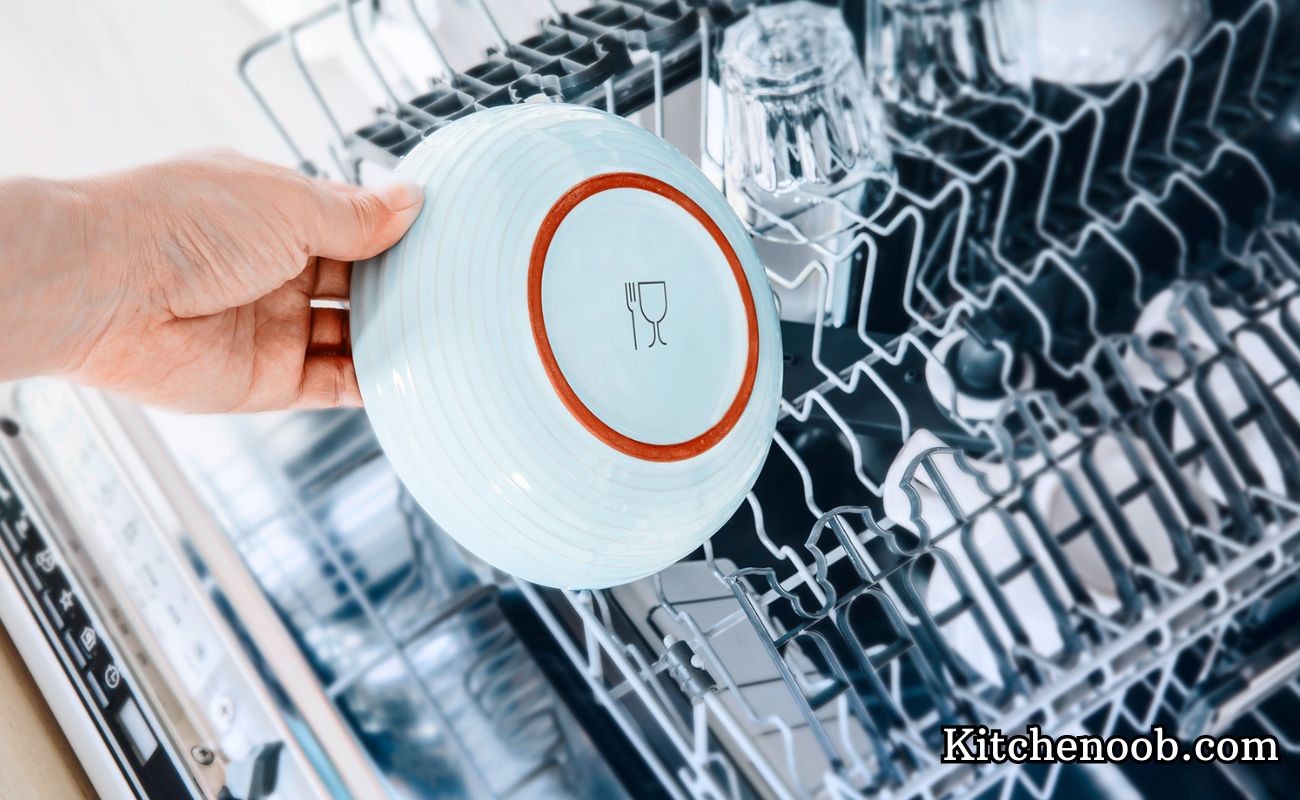
While it can save you time, it can cost you the other way. After all, a machine is not as accurate and sensible as a human being can be. Though I support hand washing no matter which type is, if you don’t, it’s okay just avoid doing it regularly. As regards the dishwasher, if you own stainless steel or copper All-Clad, there is a green signal for you, fortunately. A big NO for the other ranges. Get it straight to your mind and let the other people know too.
Wrapping Up
With the handling, a breeze, avoiding the cooking sprays, overheating, and hard water for washing, your All-Clad is going to last a decade. Drying the pan just after washing saves it from water spots and unwanted stains. Plus, invest in good cleaners from time to time polishing with Bon Ami, Barkeeper’s friend, Mr. Mayer’s liquid soap, Dawn Foam, etc.
Leave a Reply